 March 20, 2026
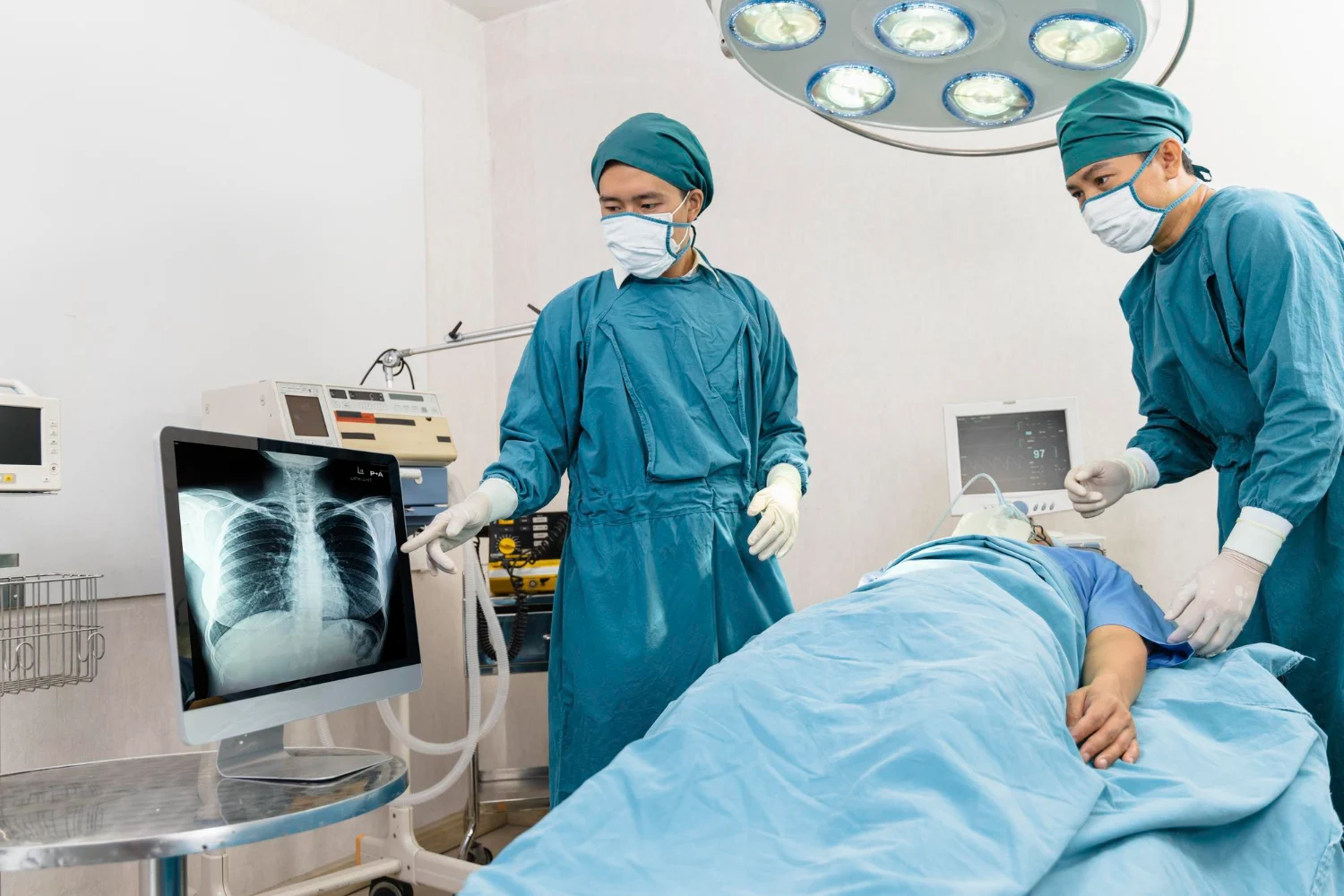
Complex lung conditions often require highly specialized treatment, advanced surgical precision, and coordinated post-operative care. In such cases, choosing an experienced thoracic surgeon can make a significant difference in diagnosis, treatment success, recovery time, and long-term patient outcomes.
Thoracic surgery involves procedures related to the lungs, chest cavity, esophagus, and surrounding organs. When dealing with serious conditions such as lung cancer, severe infections, chest trauma, or advanced respiratory diseases, experience and expertise become critical factors in ensuring safe and effective treatment.
This article explains why experienced thoracic surgeons matter in complex lung cases and how they contribute to better patient care and recovery.
A thoracic surgeon specializes in surgeries involving the chest organs, especially the lungs and respiratory system. These specialists are trained to manage both routine and highly complex lung procedures.
Common conditions treated by thoracic surgeons include:
Thoracic surgeons often work closely with pulmonologists, oncologists, radiologists, and critical care specialists to provide comprehensive care.
Complex lung cases can involve delicate structures, advanced disease stages, and higher surgical risks. An experienced thoracic surgeon brings technical expertise, decision-making skills, and complication management abilities that are developed over years of practice.
Experienced thoracic surgeons carefully evaluate imaging scans, biopsy reports, and lung function before recommending surgery.
This helps:
Proper planning is especially important in minimally invasive procedures and cancer-related surgeries.
Modern thoracic surgery often uses minimally invasive approaches such as:
Experienced surgeons are more likely to perform these procedures effectively, resulting in:
One commonly used minimally invasive procedure is:
Video-Assisted Thoracoscopic Surgery (VATS)
This technique allows surgeons to operate using small incisions and specialized instruments instead of large open chest surgery.
Complex lung surgeries may involve challenges such as:
Experienced thoracic surgeons are trained to quickly identify and manage these complications, improving patient safety during and after surgery.
In lung cancer cases, surgical precision directly affects treatment success.
An experienced thoracic surgeon can help:
Studies consistently show that hospitals and surgeons with higher surgical volumes often achieve better outcomes in complex thoracic procedures.
Every patient’s condition is different. Experienced surgeons understand how factors such as age, smoking history, lung capacity, heart health, and existing medical conditions affect surgical decisions.
This allows them to create individualized treatment plans that balance safety and effectiveness.
You may need evaluation by a thoracic specialist if you experience:
Early evaluation can improve diagnosis and treatment outcomes significantly.
Before surgery, patients should feel comfortable discussing:
Choosing a qualified and experienced surgical team can improve confidence and overall care quality.
Post-surgical care is equally important in complex lung cases. Experienced thoracic teams provide guidance on:
Patients who receive structured follow-up care often recover faster and experience fewer complications.
Complex lung conditions require specialized expertise, careful planning, and advanced surgical skills. Experienced thoracic surgeons play a vital role in improving treatment success, reducing complications, and helping patients recover safely.
Whether managing lung cancer, severe infections, or advanced respiratory diseases, choosing the right surgical team can significantly impact outcomes and quality of life.
For advanced thoracic and lung care, consult the specialists at SSB Healthcare for expert diagnosis, minimally invasive procedures, and comprehensive patient support.
2026 © SSB Heart and Multispecialty Hospital.
 International
  Find a
  Lab
Lab  Health
  Careers