 November 13, 2026
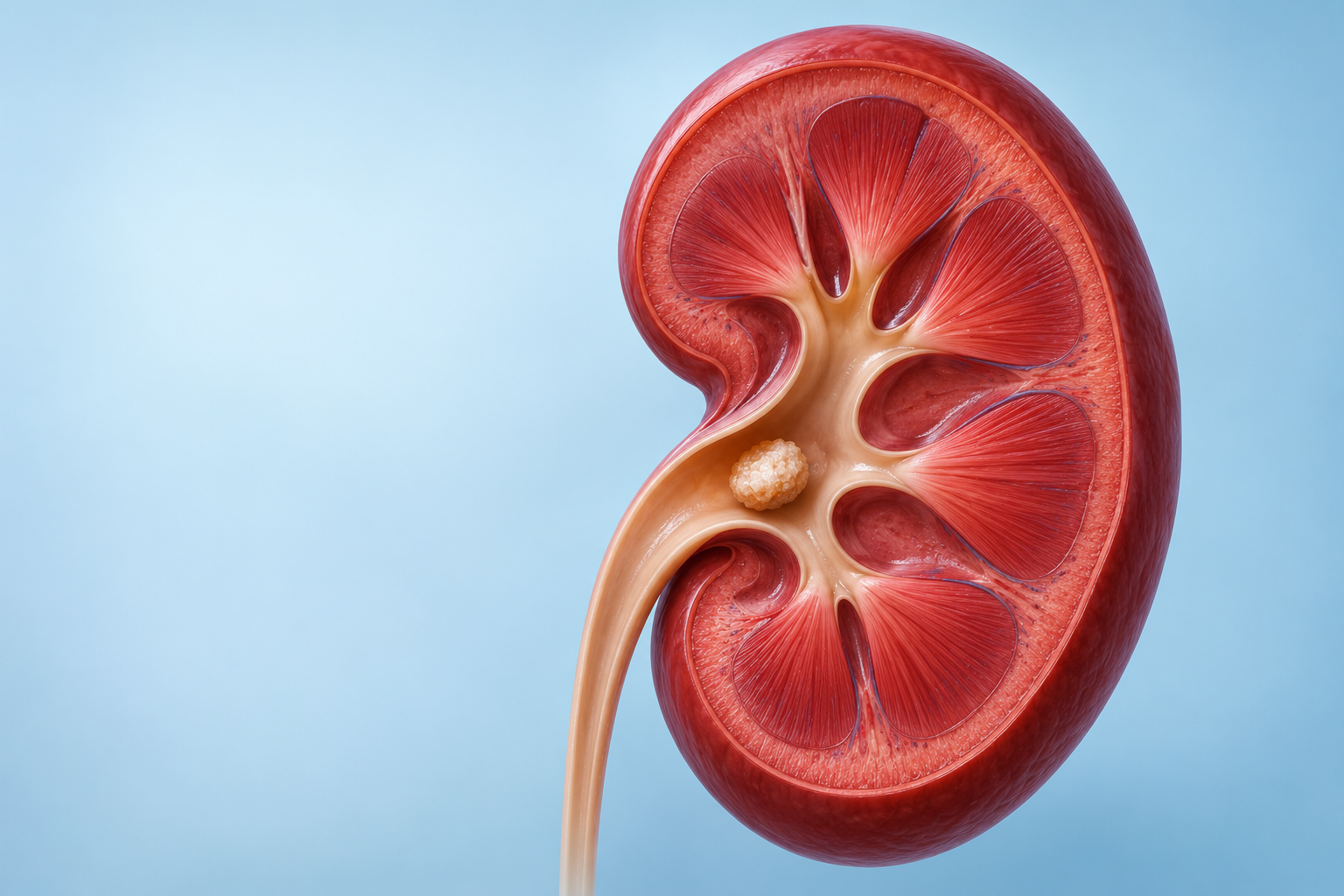
Kidney stones are hard, pebble-like deposits that form when certain minerals become concentrated in urine. A small stone may cause no symptoms or pass naturally; a stone that blocks the urinary tract can produce severe pain and, if infection is present, become an emergency. Knowing kidney stone symptoms and emergency warning signs helps people seek care at the right time.
Pain often starts suddenly in the side or back below the ribs and may move to the lower abdomen or groin as a stone travels. It can come in waves and be intense. Other symptoms can include nausea, vomiting, burning while urinating, urgency, passing small amounts of urine, cloudy/foul-smelling urine or blood in the urine. These symptoms are not exclusive to stones: urinary infection, appendicitis, ovarian/testicular conditions and other problems require consideration.
Seek urgent emergency assessment for fever or chills with urinary pain or suspected stone; uncontrolled pain or vomiting; inability to keep fluids down; reduced or absent urine; confusion, marked weakness, fainting, pregnancy with significant pain, a single functioning kidney, known kidney disease, or worsening symptoms. A blocked infected kidney needs rapid treatment because infection can spread. Do not drive yourself if pain is severe or you feel faint.
Diagnosis usually combines a symptom history, examination, urine testing and blood tests. Ultrasound or CT may show a stone’s size, location and whether it is blocking urine flow. This information, plus fever, kidney function, pregnancy status and pain control, helps decide whether observation, medicine or intervention is safest.
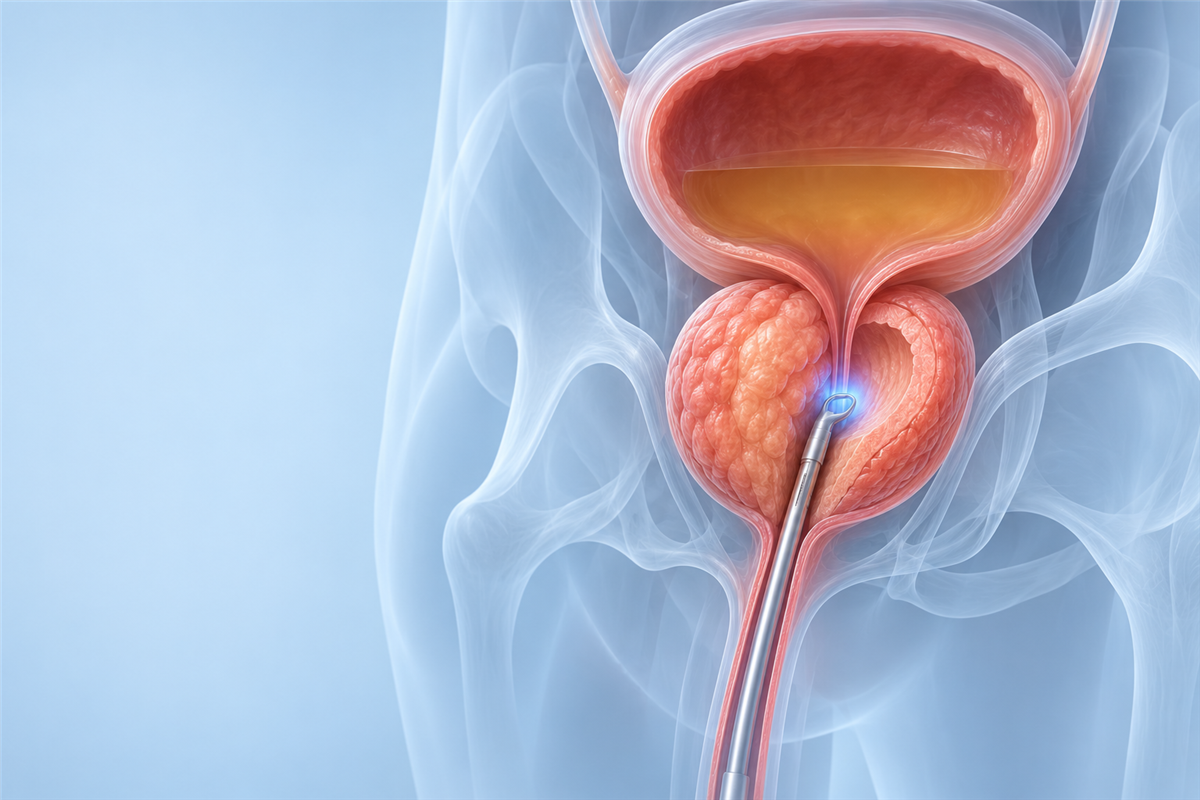
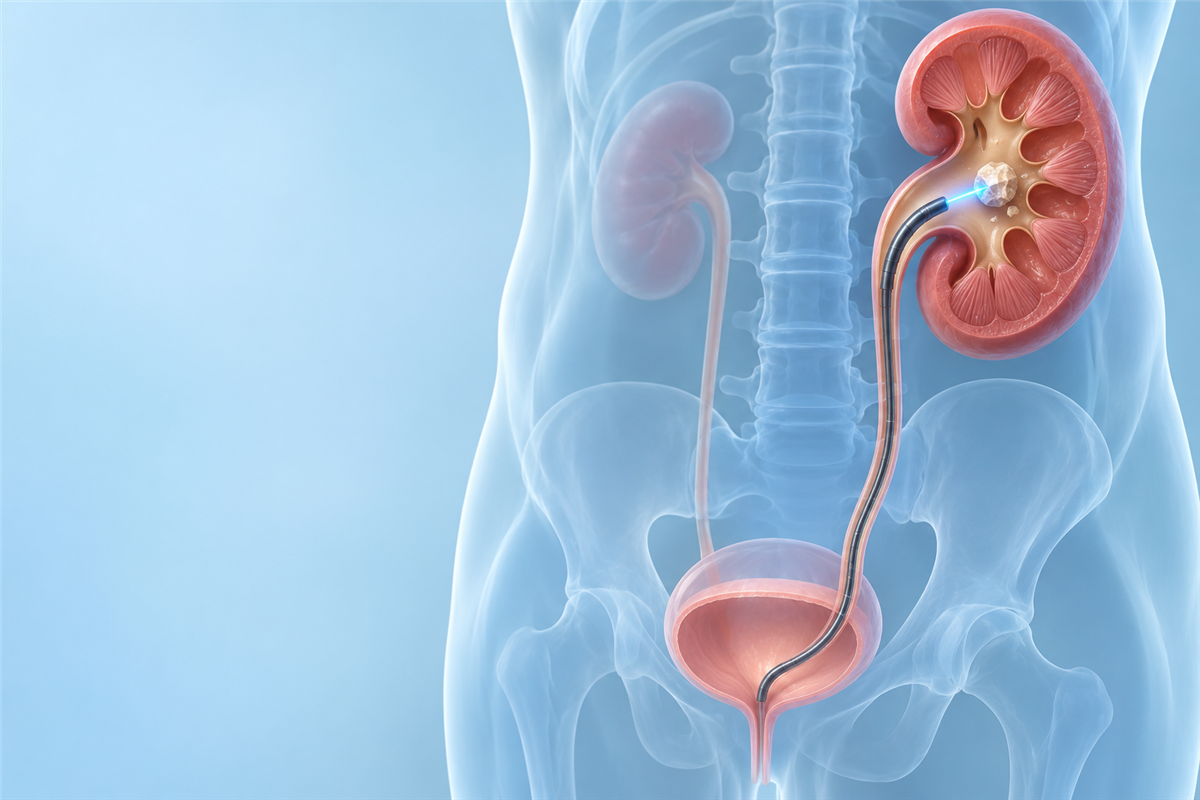
Small stones sometimes pass with hydration guidance, pain medicine and follow-up. Larger stones, stones causing persistent obstruction or severe pain, and stones associated with infection may need prompt treatment. SSB’s urology service offers endourology and minimally invasive stone-care techniques including ureteroscopy/RIRS and PCNL variants; the appropriate procedure should be chosen after imaging and clinical review.
Do not force excessive fluids during uncontrolled colicky pain or vomiting. Drink normally as directed and seek care rather than relying on home remedies. Strain urine only if the clinician advises it; retrieving a passed stone can help guide prevention.
Once a stone is analysed or urine testing is performed, prevention can be individualised. In general, enough fluid to keep urine dilute is useful for many people, but those with heart, kidney or fluid restrictions need personalised advice. Do not eliminate dietary calcium without a clinician’s advice; prevention depends on stone type and may involve changes to sodium, animal protein or oxalate intake, and sometimes medicines.
Yes, but blood in urine needs medical assessment because it can have many causes.
It varies with size and location. Imaging and a clinician’s advice are safer than waiting indefinitely.
Only if a clinician has assessed you and advised conservative management. Fever, severe pain, vomiting or low urine output needs urgent care.
Often the recurrence risk can be reduced after evaluation of stone type, diet and urine findings, but prevention is not identical for every stone.
Medical review note: SSB Urologist to review before publication; add named reviewer, qualifications, review date and emergency contact pathway.
2026 © SSB Central Hospital and Research Centre Ltd.
 International
 Find a
 Lab
 Health
 Careers