 June 4, 2025
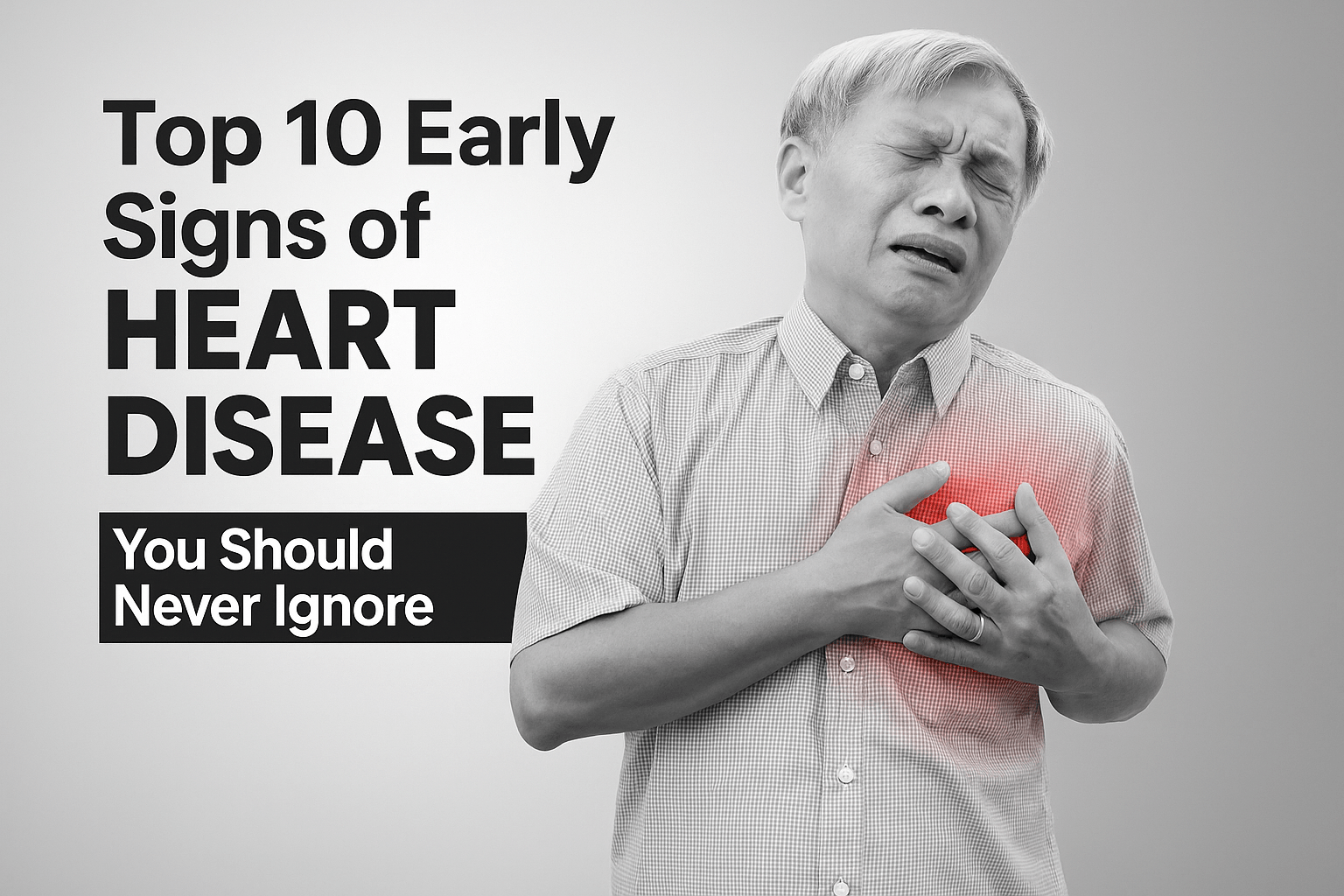
Heart disease remains one of the leading causes of death worldwide. Often, its early symptoms are subtle and go unnoticed until a serious event occurs. Recognizing these early signs and taking preventive measures can significantly reduce your risk. This guide outlines the top 10 warning signs of heart disease and includes valuable tips from cardiologists to help you maintain a healthy heart.
A feeling of pressure, squeezing, or fullness in the chest, especially during physical activity or stress, may indicate an underlying heart condition.
Experiencing breathlessness while at rest or during minimal exertion can be a sign of reduced heart function.
Persistent or unexplained fatigue, particularly after routine activities, may suggest your heart is not pumping effectively.
Pain or discomfort radiating to the neck, jaw, shoulders, or arms, especially on the left side, can be associated with heart issues.
An irregular or rapid heartbeat can be a sign of arrhythmia or other heart-related concerns.
Edema, or fluid retention in the lower limbs, may indicate heart failure or circulatory problems.
Feeling faint or dizzy could be a result of low blood pressure or poor blood flow from the heart.
Gastrointestinal symptoms like nausea, indigestion, or heartburn can sometimes signal a heart problem, especially in women.
A long-lasting cough with white or pink mucus may be caused by fluid buildup due to heart failure.
Unexpected or cold sweating without physical exertion may be an early warning sign of a cardiac event.
Consume a balanced diet rich in fruits, vegetables, whole grains, lean proteins, and healthy fats. Limit your intake of salt, sugar, and processed foods.
Aim for at least 150 minutes of moderate aerobic exercise per week to improve cardiovascular fitness and control weight.
Quitting smoking significantly lowers your risk of heart disease and improves overall cardiovascular health.
Chronic stress can elevate blood pressure and heart rate. Incorporate stress-reducing activities like yoga, meditation, or deep breathing exercises into your daily routine.
Routine checkups help monitor blood pressure, cholesterol levels, and blood sugar key indicators of heart health.
Ensure 79 hours of restful sleep per night. Poor sleep is linked to hypertension, obesity, and heart problems.
Achieving and sustaining a healthy body weight reduces the strain on your heart and lowers your risk of cardiovascular disease.
Early detection of heart disease symptoms and a commitment to a heart-healthy lifestyle are crucial for prevention and long-term wellness. If you notice any of the above symptoms or have concerns about your heart health, consult a healthcare provider promptly.
Book your appointment today at SSB Heart & Multispeciality Hospital for expert cardiac care.
2026 © SSB Heart and Multispecialty Hospital.
 International
  Find a
  Lab
Lab  Health
  Careers