 May 19, 2026
Pregnancy brings many physical and emotional changes. As the body changes, many expecting mothers start looking for safe ways to stay active, flexible, calm, and comfortable. Yoga is often considered during pregnancy because it focuses on movement, breathing, posture, and relaxation.
However, there is an important difference between prenatal yoga and regular yoga. Regular yoga may include poses, stretches, twists, core work, or faster movements that are not suitable for every pregnant woman. Prenatal yoga, on the other hand, is designed around the changing needs of pregnancy.
If you are confused about prenatal yoga vs regular yoga, this guide will help you understand the difference, benefits, precautions, and when you should consult a gynecologist before starting.
Medical Disclaimer: This blog is for informational purposes only and should not replace consultation with a qualified doctor.
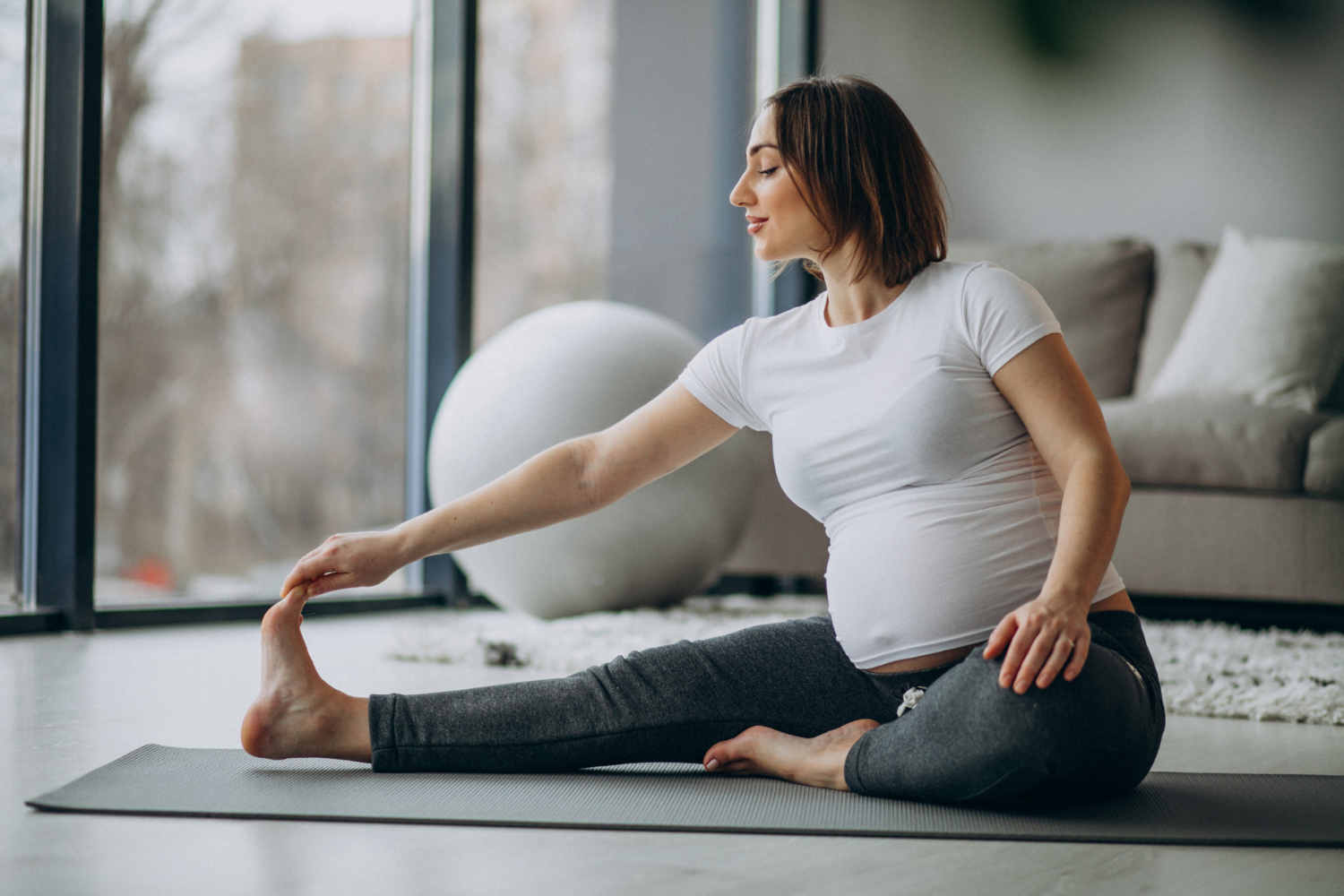
Prenatal yoga is a pregnancy-focused form of yoga designed for expecting mothers. It usually includes gentle movements, breathing exercises, relaxation techniques, posture support, and pregnancy-safe modifications.
The aim is not to push the body into difficult poses. Instead, prenatal yoga helps a pregnant woman move comfortably, understand her body better, and practice breathing and relaxation in a safe and guided way.
Prenatal yoga classes often avoid positions that put pressure on the abdomen, affect balance, or cause unnecessary strain. These sessions may also include props such as cushions, blocks, bolsters, or chairs to provide support.
Regular yoga is a broader form of yoga that may include many styles, intensities, and levels of difficulty. Some regular yoga classes are gentle, while others may involve strong movements, deep stretches, core compression, twisting, balancing poses, or advanced postures.
For someone who is not pregnant, these movements may be manageable depending on fitness level and experience. But during pregnancy, the same poses may need modification because the body’s balance, joints, ligaments, breathing, and abdominal pressure change.
This does not mean regular yoga is always unsafe during pregnancy. It simply means that expecting mothers should not continue regular yoga blindly without checking whether the poses are suitable for their stage of pregnancy and medical condition.
| Factor | Prenatal Yoga | Regular Yoga |
| Purpose | Designed specifically for pregnancy comfort, breathing, gentle movement, and relaxation | Designed for general fitness, flexibility, strength, mindfulness, or yoga practice |
| Intensity | Usually gentle and modified | Can be gentle, moderate, or intense depending on the class |
| Pose Selection | Pregnancy-safe poses with support and modifications | May include poses unsuitable for pregnancy without modification |
| Breathing Style | Focuses on calm, steady breathing | May include advanced breathing techniques not suitable for everyone during pregnancy |
| Abdominal Pressure | Avoids excessive pressure on the abdomen | Some poses may compress or strain the abdomen |
| Balance and Stability | Uses supported movements to reduce fall risk | May include challenging balance poses |
| Twists and Backbends | Uses gentle, open, modified movements | May include deep twists, strong backbends, or intense stretches |
| Relaxation | Strong focus on relaxation and body awareness | Depends on the style and teacher |
| Safety During Pregnancy | Designed with pregnancy needs in mind | Needs pregnancy-specific modification |
| Medical Guidance | Doctor approval is recommended before starting | Doctor approval is especially important before continuing during pregnancy |
The biggest difference is that prenatal yoga is planned for pregnancy, while regular yoga must be carefully modified to suit pregnancy.
Pregnancy changes the way the body moves and responds to exercise. As the baby grows, the centre of gravity shifts, balance changes, the abdomen expands, and joints may feel more flexible due to hormonal changes.
This is why some regular yoga poses may not be comfortable or safe for every expecting mother. Deep twists, strong abdominal poses, advanced inversions, intense backbends, hot yoga, and poses that require lying flat on the back for long periods may not be suitable for many pregnant women.
Some women may also experience dizziness, pelvic pain, back pain, breathlessness, fatigue, or blood pressure changes during pregnancy. In such cases, even simple exercises should be discussed with a doctor.
A pregnancy-safe yoga routine should respect the mother’s comfort, stage of pregnancy, and medical condition.
Prenatal yoga may support physical and emotional wellbeing during pregnancy when done correctly and after medical approval. It should be seen as a supportive wellness practice, not as a replacement for medical care.
Possible benefits may include:
Many expecting mothers find prenatal yoga helpful because it allows them to move gently without forcing the body. It may also help them feel more prepared for the physical changes of pregnancy.
However, prenatal yoga does not guarantee normal delivery, painless delivery, fewer complications, or improved baby health. Pregnancy outcomes depend on many medical factors and should always be monitored by a qualified doctor.
Prenatal yoga may be safe for many women when practiced correctly, but it is not suitable for everyone without medical clearance. Pregnancy is different for every woman, and some conditions require extra caution.
Women with high-risk pregnancy, bleeding, severe anemia, uncontrolled blood pressure, placenta-related concerns, previous pregnancy complications, short cervix, risk of preterm labour, severe pain, dizziness, or doctor-advised activity restrictions should consult their gynecologist before starting yoga.
Even women with normal pregnancies should speak to their doctor before beginning a new routine. This is especially important if they were not physically active before pregnancy.
The safest approach is to get medical approval, choose a trained prenatal yoga instructor, and stop immediately if any warning symptom appears.
Every pregnant woman should ideally consult her gynecologist before starting prenatal yoga or continuing regular yoga. This becomes even more important if there are any pregnancy-related risks or medical concerns.
You should consult a gynecologist before starting yoga if you have:
A gynecologist can guide whether yoga is safe for you, what level of activity is suitable, and what movements should be avoided.
Prenatal yoga should be gentle, safe, and comfortable. The goal is to support the body, not to test its limits.
Follow these safety tips:
If any pose feels uncomfortable, do not continue it. Pregnancy is not the time to push flexibility, balance, or endurance beyond comfort.
Pregnant women should stop yoga and seek medical advice if they experience any warning symptom during or after practice.
Stop immediately if you notice:
These symptoms should not be ignored. Medical evaluation is important to ensure the safety of both mother and baby.
Some women who were already practicing yoga before pregnancy may be able to continue with modifications, but this should be done only after discussing with their gynecologist.
The type of yoga matters. Gentle yoga may be easier to modify, while intense forms such as power yoga, hot yoga, advanced inversions, deep twists, and strong core-based practices may not be suitable during pregnancy.
If you are continuing regular yoga, inform your instructor that you are pregnant. It is better to work with someone trained in prenatal modifications.
For beginners, prenatal yoga is usually a safer choice than joining a regular yoga class during pregnancy.
Back pain is common during pregnancy because of weight gain, posture changes, hormonal changes, and pressure on the lower back and pelvis. Prenatal yoga may help some women by supporting gentle stretching, posture awareness, and relaxation.
However, back pain during pregnancy should not always be treated as normal. Severe back pain, pain with bleeding, pelvic pressure, contractions, fever, or weakness should be discussed with a doctor.
A gynecologist may advise whether prenatal yoga, physiotherapy, posture correction, or further evaluation is needed.
SSB Healthcare’s Obstetrics and Gynecology department provides pregnancy care, prenatal consultation, high-risk pregnancy guidance, childbirth support, postpartum care, and multispeciality support for expecting mothers in Faridabad.
Dr. Seema Bansal, Executive Director & Sr. Consultant, is a Gynecologist and Obstetrician in Faridabad with more than 30 years of experience. She provides consultation for women’s health, pregnancy care, and obstetric concerns at SSB Healthcare.
Dr. Deepti Goyal, Associate Director: Obst. & Gynae, has more than 18 years of experience. Her areas of expertise include high-risk pregnancies, normal vaginal delivery, caesarean section, obstetric emergencies, and gynecologic procedures.
Expecting mothers who want to start prenatal yoga, continue regular yoga, or understand safe exercises during pregnancy can consult the Obstetrics and Gynecology team at SSB Healthcare. This is especially important for women with high-risk pregnancy, previous complications, pain, bleeding, blood pressure issues, or any medical concern.
Prenatal yoga is designed specifically for pregnancy and includes gentle, modified movements. Regular yoga is a broader practice that may include poses or movements that need modification during pregnancy.
Prenatal yoga is usually more pregnancy-focused because it is designed around the changing needs of the body. However, it should still be started only after medical approval.
You may be able to continue regular yoga with modifications if your pregnancy is healthy and your gynecologist approves. Avoid intense poses, deep twists, overheating, and movements that strain the abdomen or affect balance.
The right time to start prenatal yoga depends on your pregnancy health, fitness level, and doctor’s advice. Always consult your gynecologist before starting.
Women with high-risk pregnancy, bleeding, high blood pressure, placenta-related concerns, previous miscarriage, preterm labour risk, dizziness, severe pain, or any pregnancy complication should avoid yoga without medical advice.
Prenatal yoga may help support posture, gentle flexibility, and relaxation, which may comfort some women with mild back stiffness. Severe or persistent back pain should be evaluated by a doctor.
Yes. Every pregnant woman should consult a gynecologist before starting prenatal yoga, especially if she has any medical condition or high-risk pregnancy.
You can consult the Obstetrics and Gynecology team at SSB Healthcare, Faridabad for pregnancy care, prenatal guidance, high-risk pregnancy consultation, and safe exercise advice.
Prenatal yoga vs regular yoga is an important comparison for expecting mothers. Prenatal yoga is designed around the needs of pregnancy, while regular yoga may need several modifications to make it safe and comfortable.
Yoga during pregnancy should always be practiced with safety in mind. It should not replace medical care, pregnancy monitoring, or gynecologist consultation.
For pregnancy care, prenatal guidance, or high-risk pregnancy consultation, book an appointment with SSB Healthcare’s Obstetrics and Gynecology team in Faridabad.
2026 © SSB Heart and Multispecialty Hospital.
 International
  Find a
  Lab
Lab  Health
  Careers