 November 11, 2026
Gallstones are hardened deposits that form in the gallbladder, a small organ that stores bile. Many are discovered incidentally and cause no symptoms. Others block the flow of bile and cause severe pain or serious complications. This guide explains gallstone warning signs and when surgery is advised; it cannot determine whether an individual needs surgery.
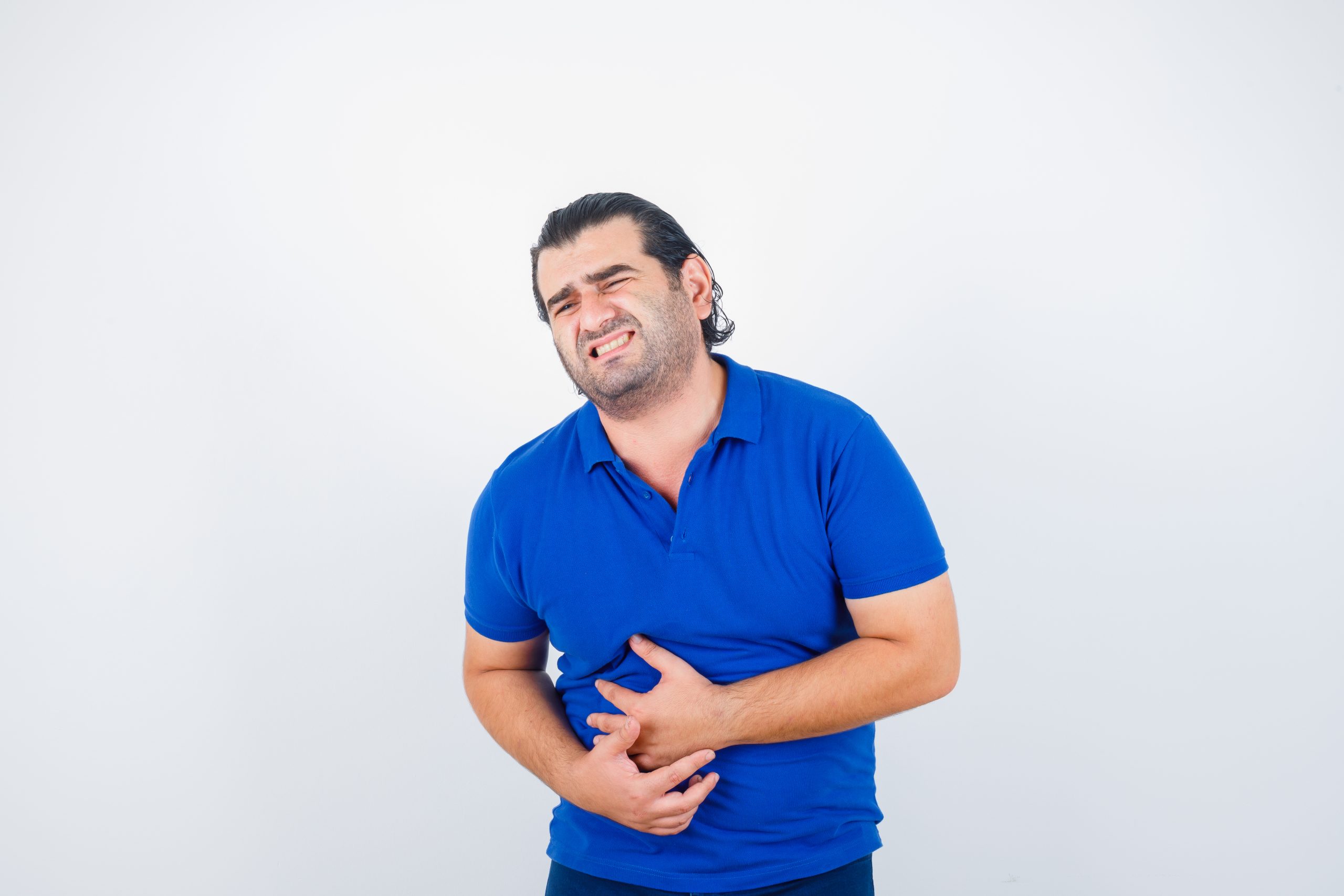
Typical biliary pain is steady, severe pain in the upper right or upper middle abdomen, often after a meal and sometimes spreading to the right shoulder or back. It can last from minutes to several hours and may come with nausea or vomiting. Indigestion alone is not enough to diagnose gallstones; ulcers, reflux, liver conditions, pancreatic disease and heart problems can cause similar symptoms.
Go to an emergency department urgently for severe or persistent abdominal pain, fever or chills, yellowing of the eyes/skin, dark urine, pale stools, repeated vomiting, confusion, fainting, or pain with a very unwell appearance. These may indicate inflammation or infection of the gallbladder, a stone in the bile duct, pancreatitis, or another urgent condition. Do not eat or drink in anticipation of surgery unless a clinician tells you to; follow emergency-team instructions.
A clinician considers the pain pattern, examination and medical history. Ultrasound is commonly used to look for gallstones and signs of gallbladder inflammation. Blood tests can identify infection, liver/bile duct problems or pancreatic involvement. Other imaging may be needed if a bile-duct stone is suspected.
People with symptom-free gallstones often do not need treatment. When gallstones cause recurrent pain or complications, the usual definitive treatment is removal of the gallbladder (cholecystectomy). The gallbladder is not essential; bile flows from the liver directly into the intestine after removal. Timing is individual and may be urgent for complications or planned after a surgical evaluation.
At SSB Healthcare, surgeons offer laparoscopic cholecystectomy for suitable patients. In laparoscopic surgery, small incisions and a camera are used. An open operation may be necessary in selected complex cases or if it is safer to change approach during surgery. This is a safety decision, not a failure.
Most patients are encouraged to mobilise early and advance diet according to their care plan. Short-term soreness, fatigue, shoulder-tip discomfort from surgical gas and bowel changes can occur. A lower-fat diet may be easier initially for some people, then normal eating is usually resumed as tolerated. Follow the exact wound care, medicines, lifting and driving advice provided by your surgeon.
Contact the hospital for fever, worsening pain, redness or drainage at a wound, persistent vomiting, jaundice, chest pain, shortness of breath, or a swollen/painful leg.
Do not try to dissolve stones with unproven supplements or delay care for repeated attacks. Keep a record of pain episodes, meals, fever and medicines, and bring scan reports to consultation. Weight management should be gradual; rapid weight loss can contribute to stone formation in some people.
Silent gallstones often need no treatment. Symptomatic stones commonly recur; a surgeon can explain whether surgery is appropriate.
It is a common operation, often performed laparoscopically, but it remains surgery with anaesthesia and possible risks. Discuss your individual risk profile.
Most people can. Bile still reaches the intestine, though temporary digestive changes can occur.
Diet changes may help overall health and symptom management but should not be relied on to clear stones or treat a complication.
Medical review note: SSB General/Laparoscopic Surgeon to review before publication; add named reviewer, credentials and review date.
2026 © SSB Central Hospital and Research Centre Ltd.
 International
 Find a
 Lab
 Health
 Careers