 November 15, 2026
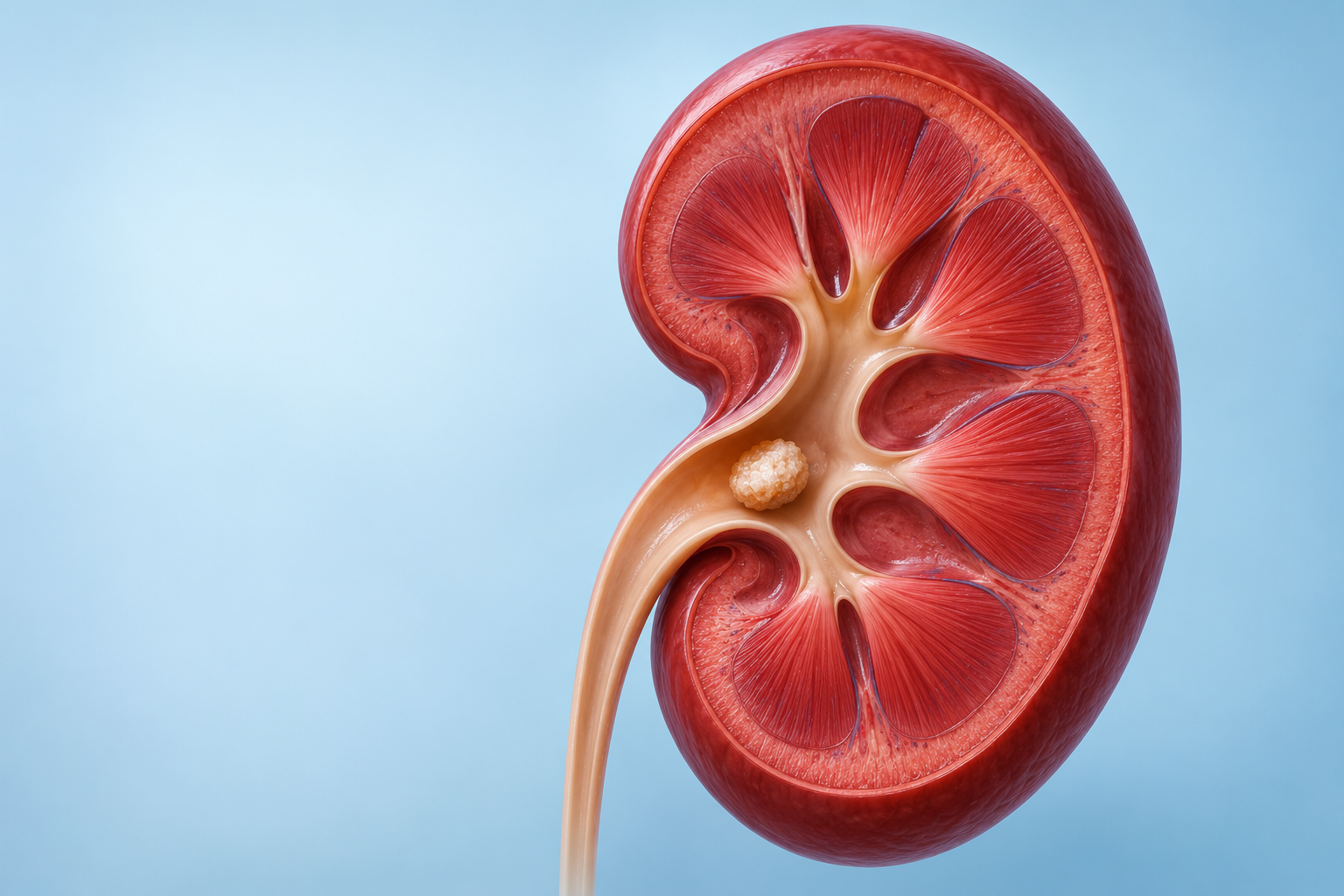
“Laser stone removal” describes a group of minimally invasive procedures, not one identical operation. The right option depends on the stone’s size, location, hardness, number, urinary anatomy, infection status, pregnancy status, kidney function and prior treatment. This guide explains laser kidney stone treatment, RIRS, URS and PCNL in plain language.
During endoscopic stone procedures, a urologist may use a laser fibre to break a stone into smaller fragments that can be removed or pass in urine. The procedure is performed with anaesthesia. Laser treatment is not appropriate for every stone and does not replace urgent drainage when a blocked kidney is infected.
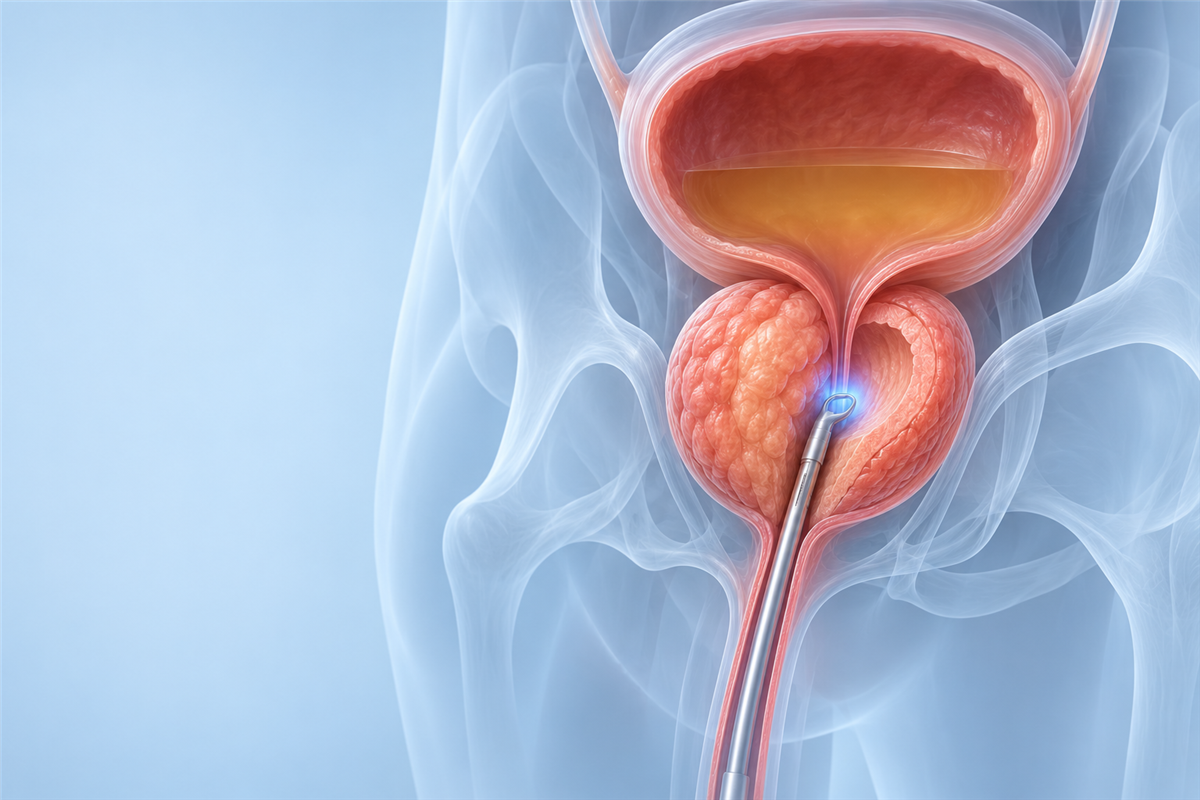
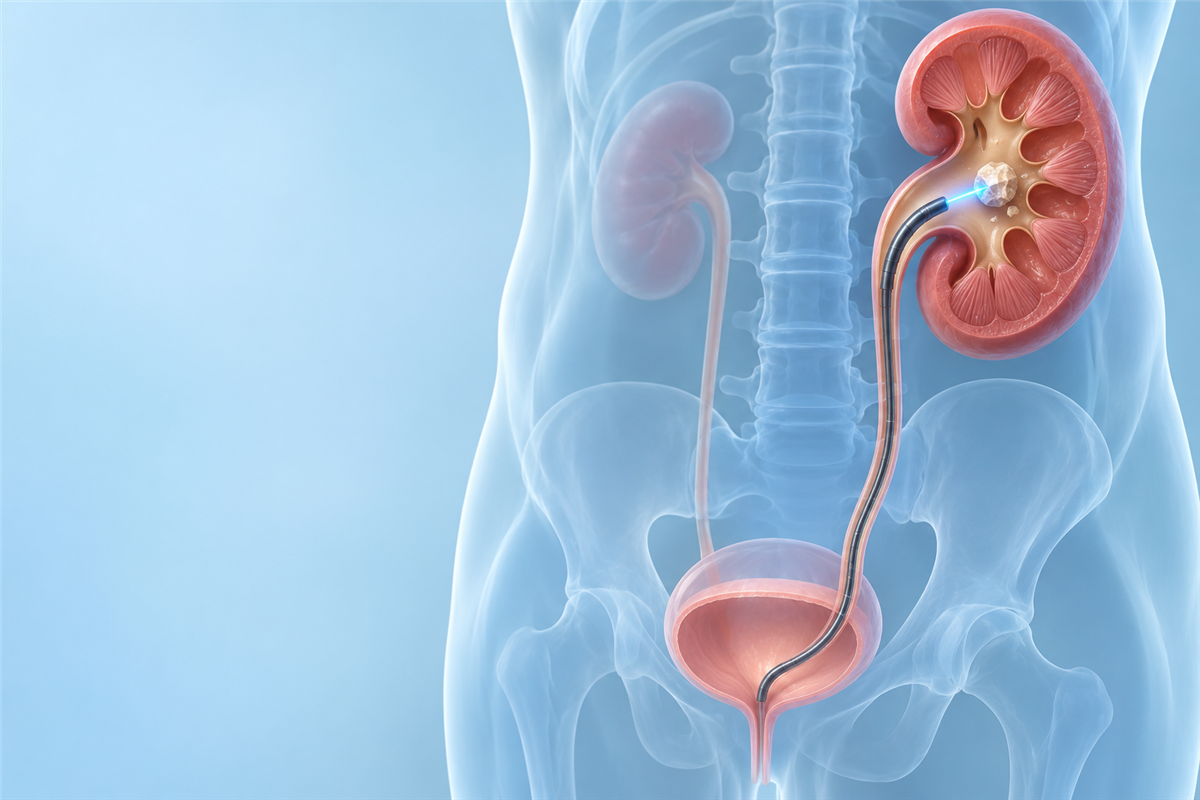
In ureteroscopy (URS), a thin scope passes through the natural urinary passage—urethra, bladder and into the ureter—to reach a ureteric stone. The surgeon may remove the stone with a basket or fragment it with a laser. There is no skin incision. A ureteric stent may be left temporarily to support drainage; it can cause urinary frequency, urgency, blood in urine or flank discomfort until removal.
RIRS uses a flexible scope passed through the urinary tract into the kidney. It allows the urologist to view and treat selected kidney stones with laser fragmentation. RIRS may suit stones in locations difficult to treat otherwise, but suitability is individual. A stent is common after treatment, and more than one session may sometimes be required for a large stone burden.
PCNL is generally used for larger, complex or multiple kidney stones. The surgeon creates a small tract through the skin of the back into the kidney and uses instruments to fragment and remove stones. Mini-PCNL uses a smaller tract in selected cases. Although it is minimally invasive, PCNL is more involved than ureteroscopy and may require a hospital stay. Bleeding, infection and injury to nearby structures are among risks discussed during consent.
Imaging is essential. A urologist assesses stone size and location, obstruction, infection, anatomy and patient priorities. Shock-wave lithotripsy, observation or other options may also be considered. Beware of a blanket claim that any single technique is “best.” A safe result begins with an accurate diagnosis and appropriate method.
You may need urine testing and treatment of infection before elective stone surgery. Tell the team about blood thinners, diabetes medicines, allergies and previous anaesthetic issues. Follow fasting and medicine instructions exactly. After treatment, temporary burning, mild blood in urine and frequency may occur, but fever, chills, worsening pain, inability to pass urine, heavy bleeding, repeated vomiting or feeling very unwell needs urgent contact.
Stone analysis and, when indicated, metabolic testing help reduce recurrence. SSB Healthcare’s Urology Department lists advanced endourology and minimally invasive stone treatment; a urologist should explain which technique fits your scan and why.
Procedures are performed with anaesthesia. Pain afterwards varies and is managed with a personalised plan.
Neither is universally better. PCNL is often considered for larger/complex stones; RIRS may be suitable for selected kidney stones. Imaging and clinical factors decide.
Not everyone does, but temporary stents are common after URS/RIRS. Your team will tell you the planned removal date.
Yes. Removing a stone does not remove the underlying tendency to form one; prevention follow-up matters.
Medical review note: SSB Urologist to review before publication; name the reviewer and update procedure details to match current hospital protocols.
2026 © SSB Central Hospital and Research Centre Ltd.
 International
 Find a
 Lab
 Health
 Careers