 November 8, 2026
A hernia occurs when tissue or part of an organ pushes through a weak area in muscle or connective tissue. A visible or felt bulge in the groin, abdomen or previous scar is common. Hernias do not usually repair themselves, but not every hernia needs the same operation or the same timing. This guide compares laparoscopic vs open hernia surgery so patients can understand the discussion with their surgeon.
The choice is clinical—not a contest between techniques. Hernia type, size, symptoms, previous surgery, recurrence, general health, anaesthesia risk and surgeon expertise all matter.
Book an assessment for a new or growing bulge, groin discomfort, pain with lifting or coughing, or symptoms affecting activity. Emergency evaluation is needed when a bulge becomes suddenly very painful, firm or cannot be pushed back; when there is vomiting, abdominal swelling, fever, or inability to pass stool or gas. These signs can suggest obstruction or strangulation, when blood supply may be compromised.
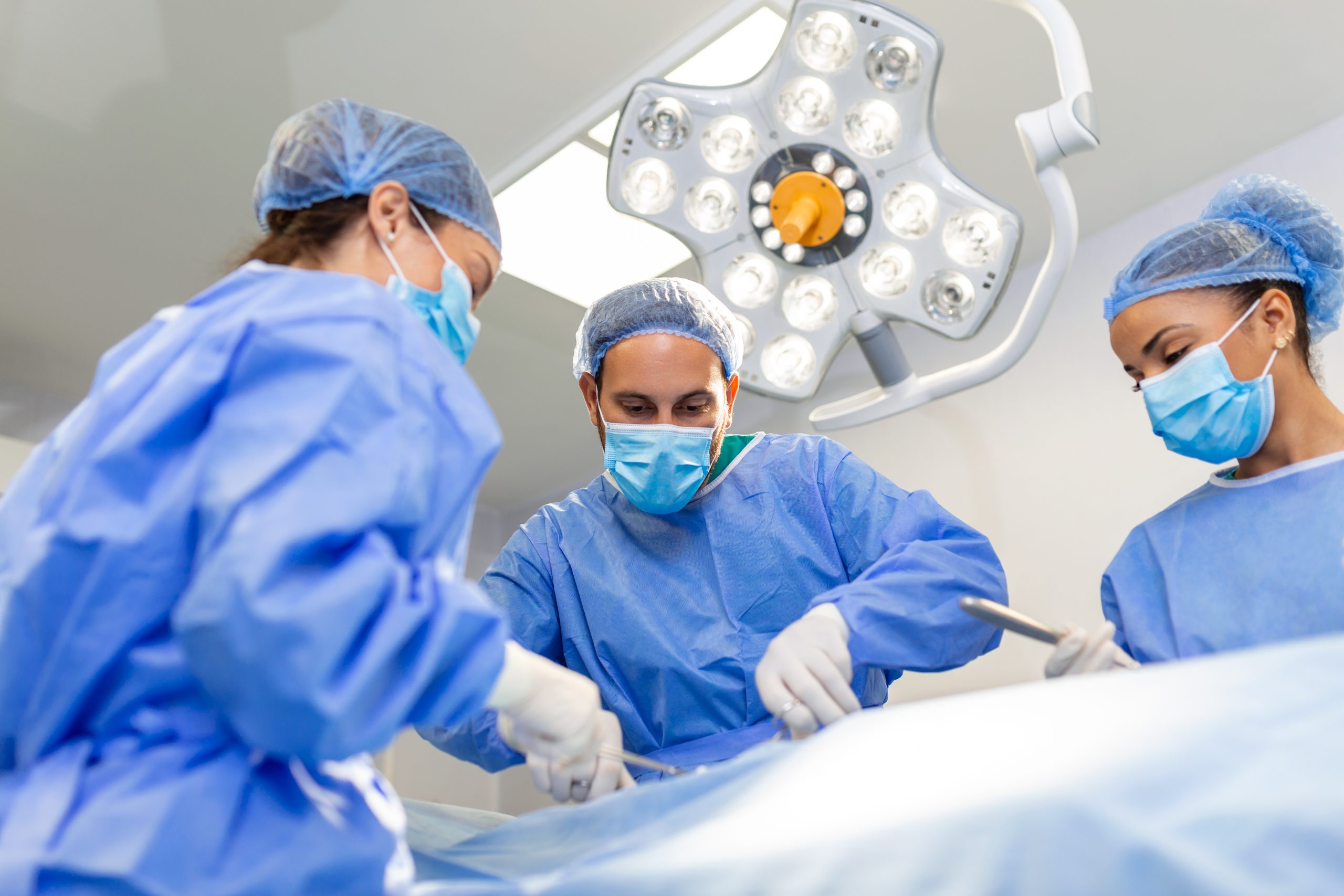
In open repair, the surgeon makes one incision near the hernia. The contents are returned to their correct position and the weak area is repaired. In many adult repairs, mesh is used to reinforce the tissue; the decision depends on hernia type, contamination risk and individual circumstances. Some open operations can be performed with local, regional or general anaesthesia depending on the repair and patient.
Open surgery is a well-established approach. It can be appropriate for many primary hernias, certain complex cases, emergency presentations, or people for whom laparoscopy is unsuitable. Recovery advice varies according to the operation, pain level and occupation.
Laparoscopic or keyhole hernia repair uses several small incisions. A camera and instruments are inserted to view and repair the hernia from inside the abdominal wall. It is generally performed under general anaesthesia. Variations include TEP and TAPP approaches for suitable groin hernias; the technical choice belongs to the operating surgeon.
Potential advantages can include smaller skin incisions and, for some patients, less early pain or a faster return to routine activity. Laparoscopy can be particularly useful for bilateral groin hernias or recurrence after a previous open repair because it may approach the area through a different tissue plane. These are not guarantees, and results depend on the patient and procedure.
| Consideration | Open repair | Laparoscopic repair |
|---|---|---|
| Incisions | One incision over/near hernia | Several small incisions |
| Anaesthesia | May vary by procedure | Usually general anaesthesia |
| View of both groins | Limited unless separately explored | Both sides can often be assessed |
| Useful situations | Many primary, complex or emergency cases | Selected bilateral or recurrent groin hernias |
| Recovery | Individual and procedure-specific | Individual and procedure-specific |
Neither column predicts an individual outcome. Ask your surgeon why a particular method is recommended for your anatomy and health.
Your consultation should cover symptoms, previous operations, medicines, smoking status, chronic cough, constipation, diabetes, weight and work demands. Examination confirms the hernia; imaging may be used when the diagnosis is uncertain or a complex/recurrent hernia is suspected. Tell the team about blood thinners, allergies, heart/lung disease and prior anaesthetic problems. Do not stop medicines unless the treating clinician advises it.
Preparing well helps recovery: follow fasting directions, arrange help at home if needed, stop smoking where possible, and manage constipation or persistent cough with medical guidance. The team will explain consent, mesh considerations, expected recovery and warning signs.
Most people are encouraged to walk soon after surgery, with activity increased gradually. Temporary soreness, bruising, swelling and fatigue can occur. Use pain relief exactly as prescribed and protect against constipation with hydration, fibre and clinician-approved measures. Keep the wound clean and follow the specific bathing and dressing instructions provided.
There is no universal “return to work” date. Desk work may be possible earlier than physical work, but lifting and sports restrictions should come from the surgical team. Contact the hospital urgently for worsening rather than improving pain, fever, spreading redness, pus, persistent vomiting, a tense enlarging swelling, chest pain, shortness of breath or difficulty passing urine.
All operations carry risks. These can include bleeding, infection, fluid collection, injury to nearby structures, urinary retention, chronic pain, anaesthesia complications and hernia recurrence. The probability and relevance of each risk differ by patient and technique. A surgeon should explain the benefits, alternatives—including watchful waiting in selected cases—and the risks that are material to your decision.
SSB Healthcare provides general and laparoscopic surgical evaluation, including laparoscopic inguinal and ventral hernia repair. The consultation should lead to an approach tailored to the patient rather than a one-size-fits-all promise.
No. Both are established options. The better choice depends on hernia type, prior repairs, health status, anaesthesia suitability and the surgeon’s assessment.
Recovery varies. Many people resume light activity relatively soon, but heavy work and exercise need individual clearance from the operating team.
Yes, recurrence is possible after any repair. Following recovery instructions and addressing factors such as smoking, chronic cough and constipation may help reduce strain, but cannot eliminate risk.
Some patients may be suitable for observation, while others are advised to have planned repair. A surgeon should assess symptoms, hernia type and risk factors.
Sudden severe pain, a trapped bulge, vomiting, fever or inability to pass stool/gas needs emergency assessment.
Medical review note: Have an SSB General and Laparoscopic Surgeon review this article before publication and add the reviewer’s credentials and review date.
2026 © SSB Central Hospital and Research Centre Ltd.
 International
 Find a
 Lab
 Health
 Careers