 May 11, 2026
High blood pressure, also called hypertension, is one of the most common health problems today. The worrying part is that many people do not feel any symptoms in the beginning. That is why high BP is often called a “silent” condition.
For patients in Delhi, where busy routines, work stress, irregular eating habits, lack of exercise, and lifestyle pressure are common, high BP should not be ignored. If it is not controlled on time, it can increase the risk of serious heart problems, including chest pain, heart attack, heart failure, and stroke.
If you are looking for high BP treatment in Delhi or want to understand your heart risk, a timely consultation with a cardiologist can help you manage the condition better.
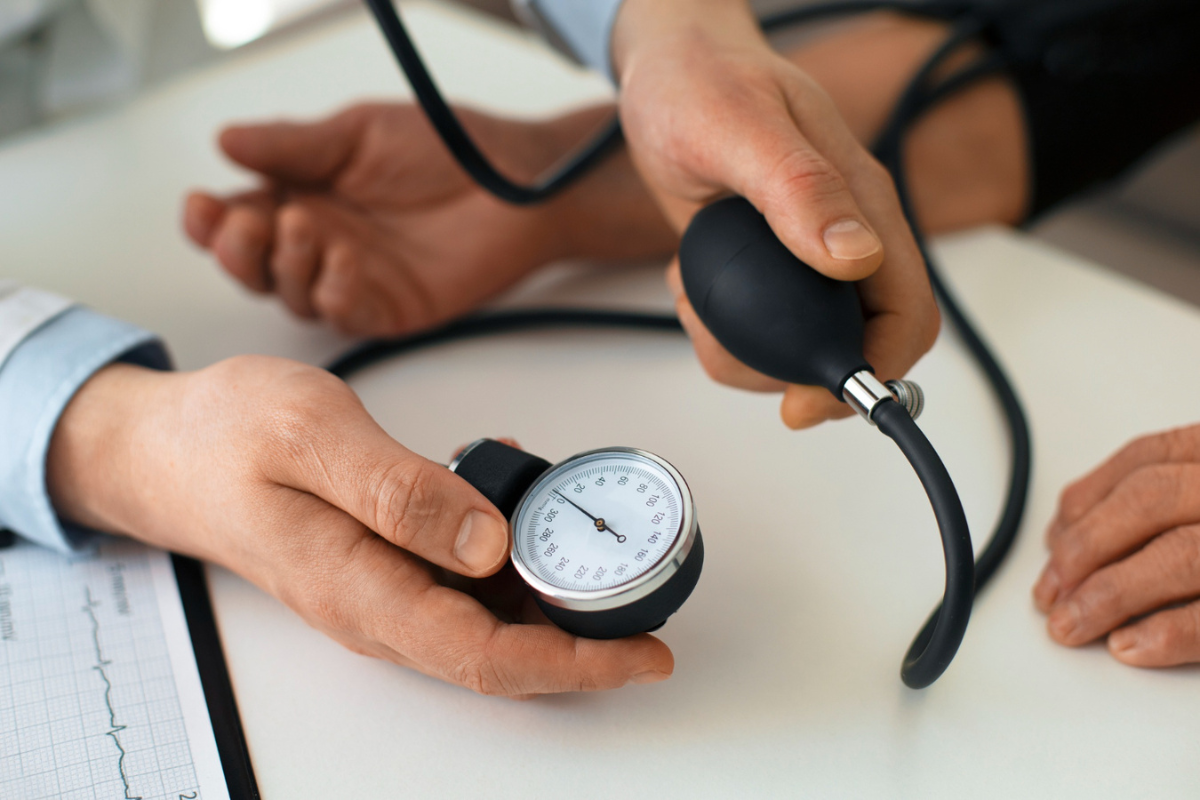
Blood pressure is the force with which blood flows against the walls of your arteries. When this pressure stays higher than normal for a long time, it is called high blood pressure or hypertension.
According to the CDC, high blood pressure is usually defined as blood pressure that is consistently at or above 130/80 mm Hg, while normal blood pressure is generally below 120/80 mm Hg. Blood pressure can change throughout the day, so a diagnosis should always be made by a qualified healthcare professional after proper evaluation.
High BP puts extra pressure on the heart and blood vessels. Over time, this extra pressure can damage the arteries, reduce blood flow to the heart, and increase the risk of heart disease.
The CDC explains that high blood pressure can make arteries less elastic, reduce blood and oxygen flow to the heart, and increase the risk of chest pain, heart attack, and heart failure.
This is why high BP should not be treated as a minor issue. Even if you feel normal, uncontrolled BP can silently affect your heart, brain, kidneys, and eyes.
Many people in Delhi delay regular health checkups because they feel “normal.” But high BP often has no clear warning signs. The WHO states that most people with hypertension do not feel symptoms, and checking blood pressure is the best way to know whether you have high BP.
Delhi patients should be extra careful if they have:
If you have any of these risk factors, regular BP monitoring and timely cardiology consultation become even more important.
In many cases, high BP does not cause symptoms. However, very high blood pressure may cause warning signs.
Possible symptoms may include:
WHO notes that very high blood pressure, usually around 180/120 mm Hg or higher, may be associated with symptoms such as headache, chest pain, dizziness, breathing difficulty, blurred vision, confusion, and abnormal heart rhythm. If these symptoms occur with high BP, urgent medical care is needed.
High BP is one of the major risk factors for heart disease. When BP remains high for years, it can damage the blood vessels and make it easier for plaque to build up inside the arteries. This can reduce blood flow to the heart.
Over time, this may lead to:
The American Heart Association states that high blood pressure can lead to serious problems such as heart attack and stroke, and it can affect adults, older adults, young adults, and even children.
You should consult a cardiologist in Delhi if:
Do not wait for symptoms to become severe. Early evaluation can help reduce the risk of complications.
High BP can become an emergency when the reading is very high, and the patient has symptoms such as chest pain, shortness of breath, weakness, numbness, vision changes, or difficulty speaking.
The American Heart Association advises urgent help when blood pressure is higher than 180 and/or 120 mm Hg, along with symptoms like chest pain, shortness of breath, back pain, numbness, weakness, change in vision, or difficulty speaking.
Visit an emergency hospital immediately if high BP is associated with:
These symptoms should not be managed at home.
A doctor may diagnose high BP after repeated BP readings and proper medical evaluation. One high reading may happen due to stress, pain, caffeine, lack of sleep, or physical activity. But repeated high readings need attention.
Your doctor may suggest:
The exact tests depend on your age, symptoms, medical history, and risk factors.
High BP treatment depends on the patient’s BP level, age, lifestyle, and associated conditions such as diabetes, kidney disease, obesity, cholesterol, or heart disease.
Treatment may include:
Doctors may advise:
WHO also recommends lifestyle changes such as a healthy low-salt diet, weight loss, physical activity, and quitting tobacco to help lower high blood pressure.
Some patients need BP medicines to keep their blood pressure under control. Medicines should only be taken as prescribed by a doctor. Do not stop or change your BP medicine without medical advice, even if your BP starts looking normal.
High BP needs regular follow-up because BP levels can change over time. Your doctor may adjust medicines, recommend additional tests, or check for heart, kidney, or eye-related complications.
SSB Healthcare can be a trusted choice for patients looking for hypertension treatment in Delhi, cardiac care in Delhi, or a heart specialist in Delhi.
SSB Multispeciality Hospital in Delhi highlights support for routine check-ups, complex heart procedures, and emergency care, positioning it as a relevant option for patients seeking heart care in Delhi.
SSB Healthcare also states that it provides healthcare services with accessible infrastructure and has served 2,24,000+ patients, with 300+ beds, 100+ doctors, and 1000+ trained staff across its healthcare setup.
Here are some simple steps that can help:
Small daily changes can help protect your heart in the long run.
2026 © SSB Heart and Multispecialty Hospital.
 International
  Find a
  Lab
Lab  Health
  Careers