 September 14, 2021
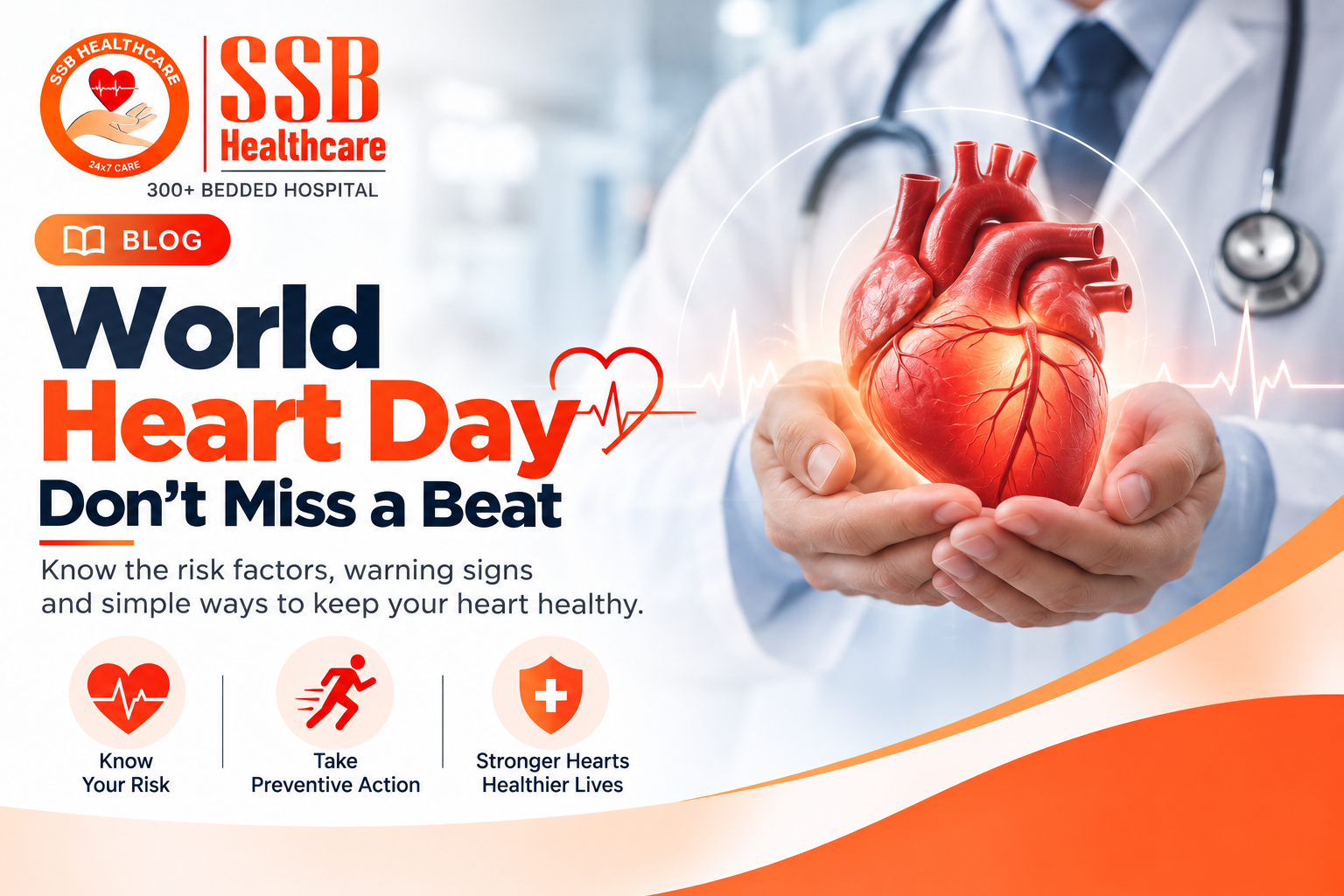
Keeping your heart healthy is essential for leading a long, active, and healthy life. The heart plays a vital role in supplying oxygen-rich blood throughout the body, and maintaining good heart health can significantly reduce the risk of serious cardiovascular diseases.
Heart disease has become increasingly common due to unhealthy lifestyle habits, poor diet, lack of physical activity, smoking, stress, obesity, high cholesterol, diabetes, and high blood pressure. Certain individuals may also have a higher risk because of age or family history.
Understanding heart disease risk factors and adopting heart-healthy habits can help improve cardiovascular health and overall well-being.
Some individuals may have a higher risk of developing heart-related conditions due to lifestyle habits and medical conditions.
People at higher risk may include those who:
The risk of heart disease often increases when multiple risk factors are present together.
In some cases, age and genetic history can also increase the risk of cardiovascular disease.
Higher risk may be seen in:
If parents or close family members had heart disease at a younger age, the chances of developing similar conditions may increase.
A healthy diet is one of the most important factors in maintaining good heart health. Long-term eating habits have a major impact on cholesterol levels, blood pressure, weight management, and overall cardiovascular health.
A heart-friendly diet should focus on balanced nutrition rather than relying on a single food or supplement.
Fruits and vegetables provide essential vitamins, minerals, antioxidants, and fiber that support heart health and overall wellness.
Including a variety of colorful fruits and vegetables in daily meals may help reduce the risk of cardiovascular disease.
Replacing refined grains with whole grains may help improve digestion, support healthy cholesterol levels, and maintain steady energy levels.
Examples include:
Healthy fats such as monounsaturated and polyunsaturated fats can support heart health when consumed in moderation.
Healthy fat sources may include:
Reducing unhealthy trans fats and excessive saturated fats is important for maintaining healthy cholesterol levels.
Excess salt intake may contribute to high blood pressure, which is a major risk factor for heart disease.
Using herbs and spices instead of excess salt can help improve flavor while supporting better heart health.
Regular physical activity helps strengthen the heart, improve blood circulation, and maintain a healthy body weight.
Exercise can also help control blood pressure, cholesterol levels, and blood sugar levels.
Maintaining a regular workout schedule can significantly benefit heart health.
Aim for approximately 45–60 minutes of physical activity most days of the week depending on your fitness level and medical condition.
Choose activities that you enjoy, such as:
Enjoyable activities may help maintain long-term consistency.
Long hours of sitting may negatively affect cardiovascular health and metabolism.
Taking short movement breaks during work or daily activities can help improve circulation and reduce health risks associated with sedentary lifestyles.
Smoking significantly increases the risk of heart disease by damaging blood vessels and reducing oxygen supply to the body.
Quitting smoking is one of the most important steps toward improving heart health and reducing cardiovascular risk.
High cholesterol levels can lead to plaque buildup in arteries, increasing the risk of heart attacks and strokes.
Maintaining a healthy diet and regular exercise routine can help improve cholesterol levels.
Excess body weight places additional stress on the heart and may increase the risk of several health conditions.
Maintaining an ideal body weight through healthy eating and physical activity is important for cardiovascular health.
Chronic stress may negatively affect heart health and contribute to high blood pressure and unhealthy habits.
Activities such as meditation, yoga, relaxation exercises, hobbies, and social interaction may help manage stress more effectively.
Maintaining social connections and participating in enjoyable activities may support emotional well-being and reduce stress.
Mental and emotional health are also important aspects of heart health.
Individuals with existing heart conditions or risk factors should undergo regular health checkups as advised by their doctor.
Routine evaluations can help detect problems early and support better management of cardiovascular health.
Seek medical advice if you experience:
Early diagnosis and treatment can help prevent serious heart-related complications.
At SSB HEART AND MULTI SPECIALITY HOSPITAL, we have a highly skilled team of cardiologists, cardiac surgeon, cardiac anesthetist, electrophysiologist required for treatment of heart related issues.
*Note- Consult a cardiologist by taking appointment 91 9810325789
Chairman & Managing Director SSB Hospital
Chairman Interventional Cardiology
MD, DM, DNB, FSCAI (USA), FACC (USA)
2026 © SSB Heart and Multispecialty Hospital.
 International
  Find a
  Lab
Lab  Health
  Careers