 July 10, 2021
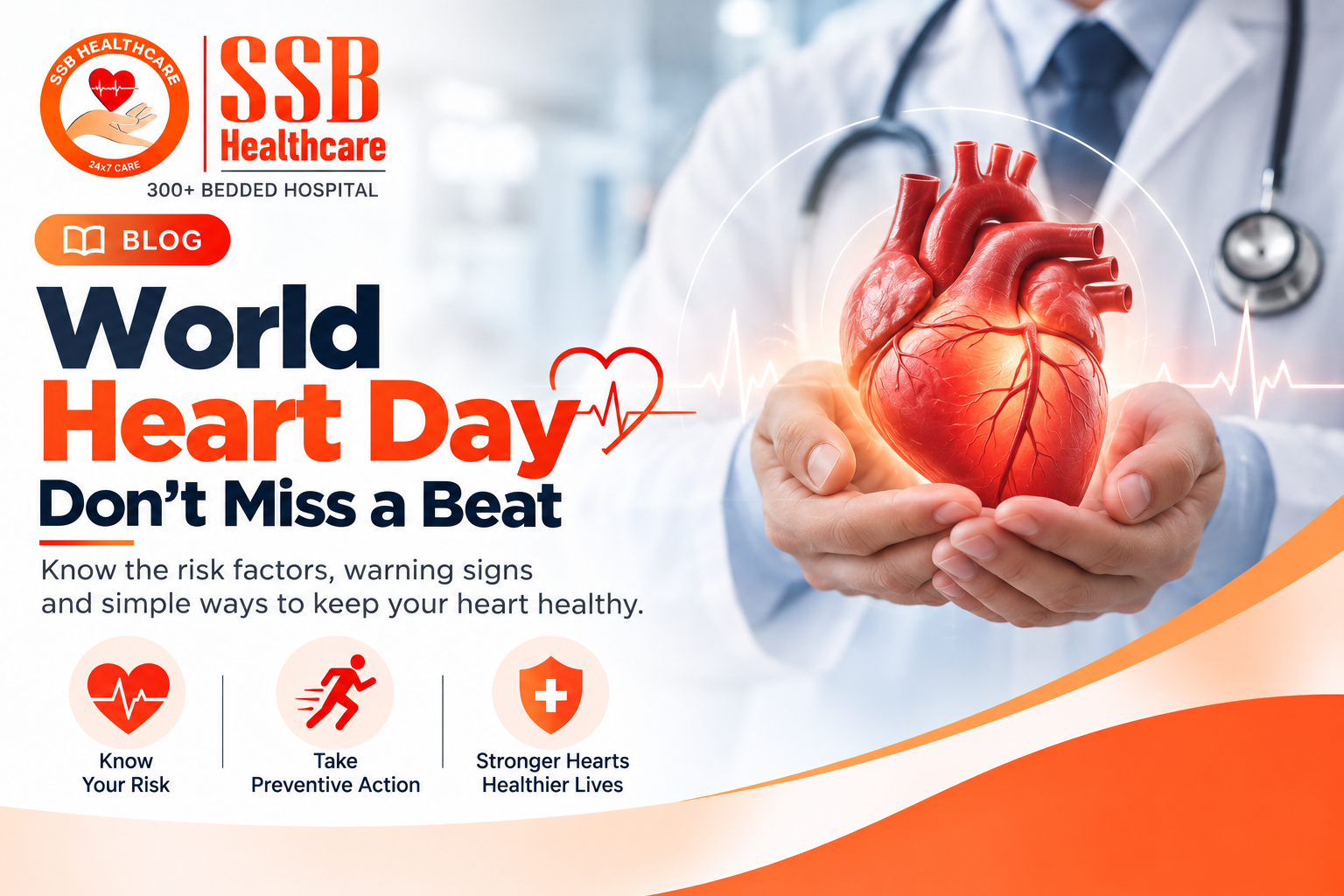
Angina is a type of chest pain or discomfort that occurs when the heart does not receive enough oxygen-rich blood. Also known as angina pectoris, it is often a warning sign of an underlying heart condition such as coronary artery disease. Although angina is not a heart attack, it should never be ignored because it may indicate reduced blood flow to the heart.
The most common symptom of angina is chest pain or pressure. Many people describe it as a squeezing, heaviness, or tightness in the chest. The discomfort may also spread to other parts of the body, including the arms, shoulders, neck, jaw, or back.
Other angina symptoms may include:
In some cases, especially in women and older adults, symptoms of angina may appear mild or unusual, such as fatigue or discomfort in the neck and jaw.
There are different forms of angina depending on the cause and severity.
Stable angina usually occurs during exercise, stress, or physical activity. The symptoms follow a predictable pattern and often improve with rest.
Unstable angina is more serious and may occur even while resting. The pain can last longer and may increase the risk of a heart attack.
This type is caused by spasms in the coronary arteries and often occurs during rest.
The primary cause of angina is reduced blood flow to the heart muscles. This commonly happens due to plaque buildup in the arteries, leading to coronary artery disease.
Several factors can increase the risk of angina, including:
Doctors diagnose angina through physical examinations and heart-related tests. Common diagnostic methods include:
These tests help identify blocked arteries or problems affecting heart health.
The treatment of angina focuses on improving blood flow and reducing symptoms.
Healthy habits play an important role in angina treatment. Doctors often recommend:
Doctors may prescribe medicines such as nitroglycerin, beta-blockers, or blood thinners to improve circulation and reduce chest pain.
In severe cases, procedures like angioplasty or bypass surgery may be needed to restore proper blood flow.
Angina is an important warning sign of heart disease that should not be ignored. Recognizing the early symptoms of angina and seeking timely medical care can help prevent serious complications. With proper angina treatment, lifestyle changes, and regular medical care, many people can effectively manage the condition and maintain better heart health.
2026 © SSB Heart and Multispecialty Hospital.
 International
  Find a
  Lab
Lab  Health
  Careers