 July 7, 2026
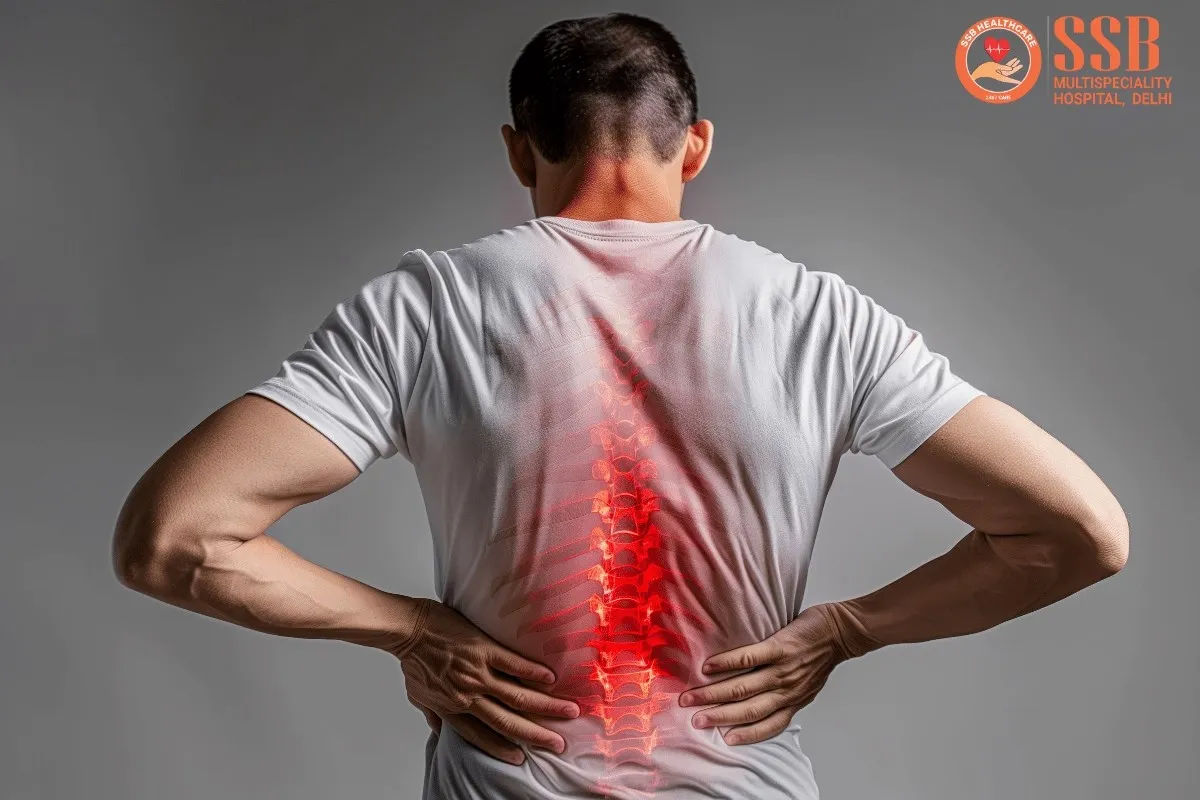
A search for the best spine hospital in Delhi often starts with a familiar problem: back pain, neck pain, a slipped disc report, or pain moving into the leg or arm.
Many spine problems improve without surgery, but some symptoms need quicker hospital evaluation.
The goal is to know when pain can be reviewed routinely and when weakness, trauma, fever, or bladder and bowel changes make the situation more urgent.
Common causes include muscle strain, overuse, age-related disc or joint changes, slipped disc with nerve irritation, and selected cases involving fracture, infection, inflammation, or osteoporosis.
Patients looking for a broader understanding of these conditions can also read about common spine problems, symptoms and treatment.
Not every painful spine needs surgery. Many episodes settle with time, medicines when appropriate, physiotherapy, and a structured non-surgical plan.
A specialist evaluation through a Neuro & Spine Surgery department can help determine whether symptoms are likely to respond to conservative care or need further investigation.
Faster review is needed when back or neck pain comes with:
Patients can also review this guide on spine pain red flags that need hospital evaluation for additional context.
Ongoing pain and sudden neurological change are not the same problem. Weakness, bladder or bowel symptoms, and trauma-linked pain deserve quicker attention.
This table is for patient awareness. It should not replace clinical judgment when symptoms are worsening.
| Pattern | What it can mean | When not to wait |
|---|---|---|
| Simple mechanical pain | Often fits strain or wear-and-tear patterns | If it follows major trauma or suddenly worsens with fever or neurological loss |
| Pain with leg weakness or numbness | May suggest nerve compression | If weakness is progressing or bladder or bowel function changes |
| Back pain with fever or weight loss | Can suggest a non-routine underlying cause | Urgent review is sensible, especially with severe constant pain |
The work-up usually starts with a clinical examination of:
X-rays may be used for alignment or fracture questions. MRI may be advised when discs, nerves, the spinal cord, or soft tissues need closer review.
When imaging is required, the Radiology department in Delhi may form part of the diagnostic pathway based on the treating doctor's recommendation.
The point is to match the test to the symptom pattern instead of ordering imaging out of habit.
A scan report should therefore be interpreted alongside the patient's symptoms and clinical examination rather than being used as the only basis for treatment.
Non-surgical treatment may include:
These options work best when the diagnosis is clear and the plan is followed consistently.
For patients without urgent neurological problems, conservative treatment may often be considered before surgery. The exact plan should be based on specialist assessment rather than the presence of an abnormality on MRI alone.
Surgery may be discussed when there is:
Patients who may require surgical assessment can be evaluated through the Neuro & Spine Surgery department in Delhi.
The decision should connect symptoms, examination, imaging, previous treatment, and the patient's goals.
A scan report alone should not decide the plan.
The question is not simply whether an MRI shows a slipped disc or another structural change. The treating team needs to determine whether that finding actually explains the patient's symptoms and whether surgery is likely to improve the problem.
Recovery planning should cover:
A clear follow-up plan helps patients understand when delayed improvement is expected and when another review is needed.
Recovery is not identical for every patient. It depends on the condition being treated, whether surgery was required, the type of procedure, general health, job demands, and progress during rehabilitation.
| Step | What usually happens |
|---|---|
| 1. First concern | Patient or family notices pain, weakness, a report change, or a recovery problem. |
| 2. Focused review | History, examination, and the right tests narrow the next step. |
| 3. Treatment decision | The team explains whether medicines, physiotherapy, injection, surgery, or admission makes sense. |
| 4. Follow-up | The patient receives warning-sign advice and a clear follow-up plan for Delhi. |
This pathway is useful because spine treatment is rarely based on one test alone. Symptoms, neurological findings, imaging, response to previous treatment, and patient needs all influence the next step.
Certain spine symptoms should not wait for a routine outpatient appointment.
Seek urgent medical assessment when there is:
If these symptoms appear or progress quickly, seek emergency and trauma care rather than waiting for a scheduled spine consultation.
Before deciding on treatment, patients may find it useful to ask:
These questions help turn the consultation into a clearer decision-making process rather than simply reviewing a scan report.
Urgent review is needed for weakness, bladder or bowel change, numbness around the saddle area, major trauma, fever with back pain, or severe unrelenting pain.
Patients experiencing rapidly worsening neurological symptoms should seek emergency medical evaluation instead of waiting for a routine appointment.
No. Many disc-related symptoms improve with time, medicines, activity modification, and physiotherapy.
Surgery is generally considered when symptoms and clinical findings indicate significant neurological compromise or when severe symptoms continue despite an appropriate conservative treatment plan.
Patients can consult a spine specialist in Delhi to determine which approach is appropriate for their condition.
Imaging is most useful when the examination suggests a structural problem or when symptoms are persistent, severe, associated with neurological findings, or likely to change the treatment plan.
MRI can provide detailed information about discs, nerves, the spinal cord, and surrounding soft tissues, but imaging findings still need to be interpreted alongside the patient's symptoms.
It can, especially when the diagnosis is clear and treatment is targeted.
Many patients may improve with a structured plan rather than repeated short courses of random medicine or prolonged rest.
The treatment plan may include physiotherapy, activity modification, pain management, posture or movement correction, and other measures selected according to the cause of symptoms.
A spine consultation may be useful when back or neck pain is persistent, repeatedly returns, travels into the arm or leg, causes numbness or weakness, interferes with routine activity, or has not improved with initial treatment.
Patients searching for the best spine hospital in Delhi should focus less on generic claims and more on whether the care pathway includes careful neurological assessment, appropriate imaging, non-surgical options where suitable, clear surgical indications, and structured follow-up.
You can explore the Neuro & Spine Surgery department in Delhi or book an appointment with SSB Healthcare for further evaluation.
2026 © SSB Heart and Multispecialty Hospital.
 International
  Find a
  Lab
Lab  Health
  Careers