 June 23, 2021
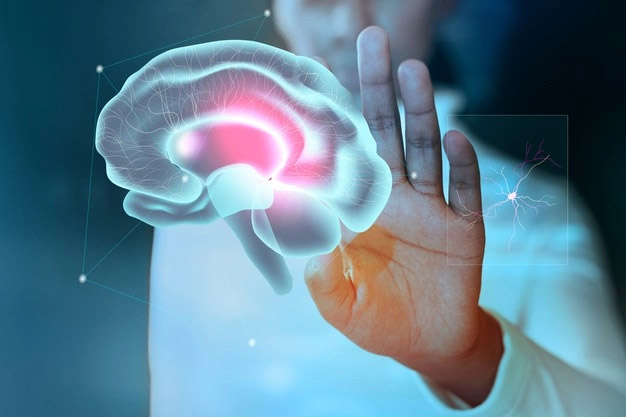
A brain stroke is a serious medical emergency that occurs when the blood supply to a part of the brain is interrupted or significantly reduced. When the brain does not receive enough oxygen and nutrients, brain cells begin to die within minutes. Immediate medical attention is critical because early treatment can help reduce brain damage and improve recovery outcomes.
Stroke is one of the leading causes of long-term disability and can affect a person’s ability to speak, move, think, and perform everyday activities. Understanding the causes, symptoms, risk factors, and treatment options can help in recognizing the condition early and seeking timely medical care.
A brain stroke occurs when normal blood flow to the brain is disrupted. The brain depends on a constant supply of oxygen-rich blood to function properly. When this supply is blocked or interrupted, brain cells begin to get damaged rapidly.
There are two major types of stroke:
An ischemic stroke occurs when a blood vessel supplying blood to the brain becomes blocked, usually due to a blood clot or narrowed arteries. This is the most common type of stroke.
A hemorrhagic stroke occurs when a blood vessel in the brain leaks or bursts, causing bleeding inside or around the brain. This can create pressure on brain tissues and lead to severe complications.
Recognizing stroke symptoms early can save lives and reduce long-term complications. Symptoms usually appear suddenly and may vary depending on the affected area of the brain.
Common signs and symptoms include:
If these symptoms appear, immediate medical attention is necessary even if the symptoms disappear after a short time.
A simple way to identify a possible stroke is by remembering the word FAST:
Ask the person to smile. Check if one side of the face droops.
Ask the person to raise both arms. See if one arm drifts downward or cannot be lifted properly.
Ask the person to repeat a simple sentence. Notice if the speech sounds slurred or unusual.
If you observe any of these warning signs, seek emergency medical help immediately. Quick action can significantly improve treatment outcomes.
Several lifestyle habits and medical conditions can increase the risk of developing a stroke.
High blood pressure is one of the leading causes of stroke because it can damage blood vessels over time.
Uncontrolled diabetes can damage blood vessels and increase the risk of stroke and other cardiovascular conditions.
High cholesterol levels can contribute to the buildup of plaque in arteries, reducing blood flow to the brain.
Lack of physical activity and excess body weight increase the risk of stroke and other lifestyle-related diseases.
Cigarette smoking and the use of illegal drugs such as cocaine and methamphetamine can damage blood vessels and increase stroke risk.
People with cardiovascular diseases, heart attack history, or transient ischemic attacks (mini-strokes) may have a higher risk of stroke.
Sleep disorders such as obstructive sleep apnea may also increase the risk of stroke.
A family history of stroke or heart disease may increase the likelihood of developing stroke-related conditions.
Certain studies have shown that COVID-19 infection may increase the risk of blood clotting complications, which can contribute to stroke in some individuals.
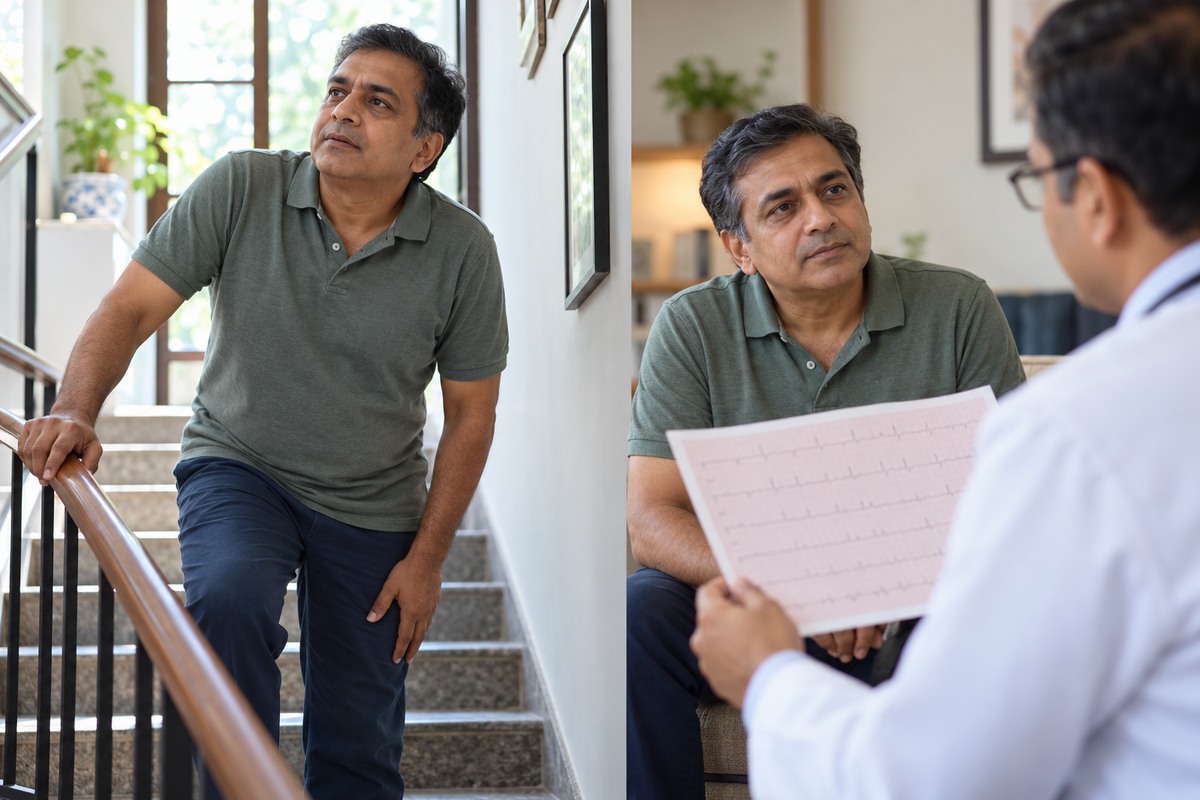
Doctors may use several diagnostic tests to confirm a stroke and determine its type and severity.
These tests may include:
Early diagnosis is important for effective treatment and prevention of complications.
Stroke treatment depends on the type of stroke and how quickly the patient receives medical care.
In cases of ischemic stroke, thrombolytic therapy may be given within the first 4.5 hours after symptoms begin. This treatment helps dissolve blood clots and restore blood flow to the brain.
Early treatment can sometimes reverse the effects of stroke and reduce long-term disability.
Doctors may prescribe medications such as:
These medicines help reduce the risk of future strokes.
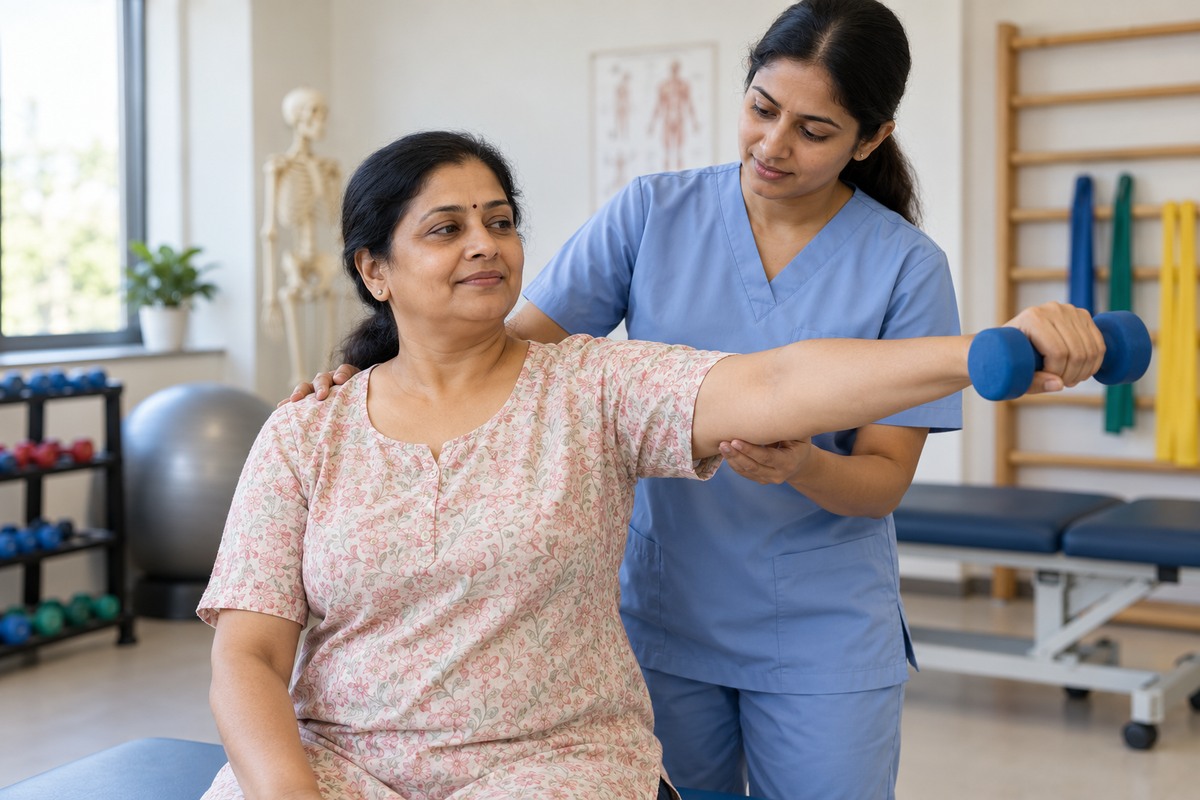
Rehabilitation is an important part of stroke recovery and may include:
Rehabilitation helps patients regain strength, improve movement, and restore independence.
Preventive measures can significantly lower the risk of stroke.
Important lifestyle changes include:
Early detection and proper management of risk factors play a major role in stroke prevention.
Seek immediate medical attention if you or someone around you experiences:
Timely treatment can save lives and reduce the chances of permanent brain damage.
Getting the appropriate medical treatment and care is crucial to avoid any associated medical complications.
To book an appointment, contact us at +91-9540 114 114.
2026 © SSB Heart and Multispecialty Hospital.
 International
  Find a
  Lab
Lab  Health
  Careers