 May 21, 2021
If you are experiencing persistent knee pain that does not improve with medications, physiotherapy, lifestyle changes, or other non-surgical treatments, and it is affecting your daily activities and quality of life, it may be time to consider knee replacement surgery.
Chronic knee pain can make simple activities such as walking, climbing stairs, standing for long periods, or even getting out of a chair difficult and uncomfortable. For many patients suffering from severe arthritis or advanced knee joint damage, total knee replacement surgery can significantly improve mobility, comfort, and independence.
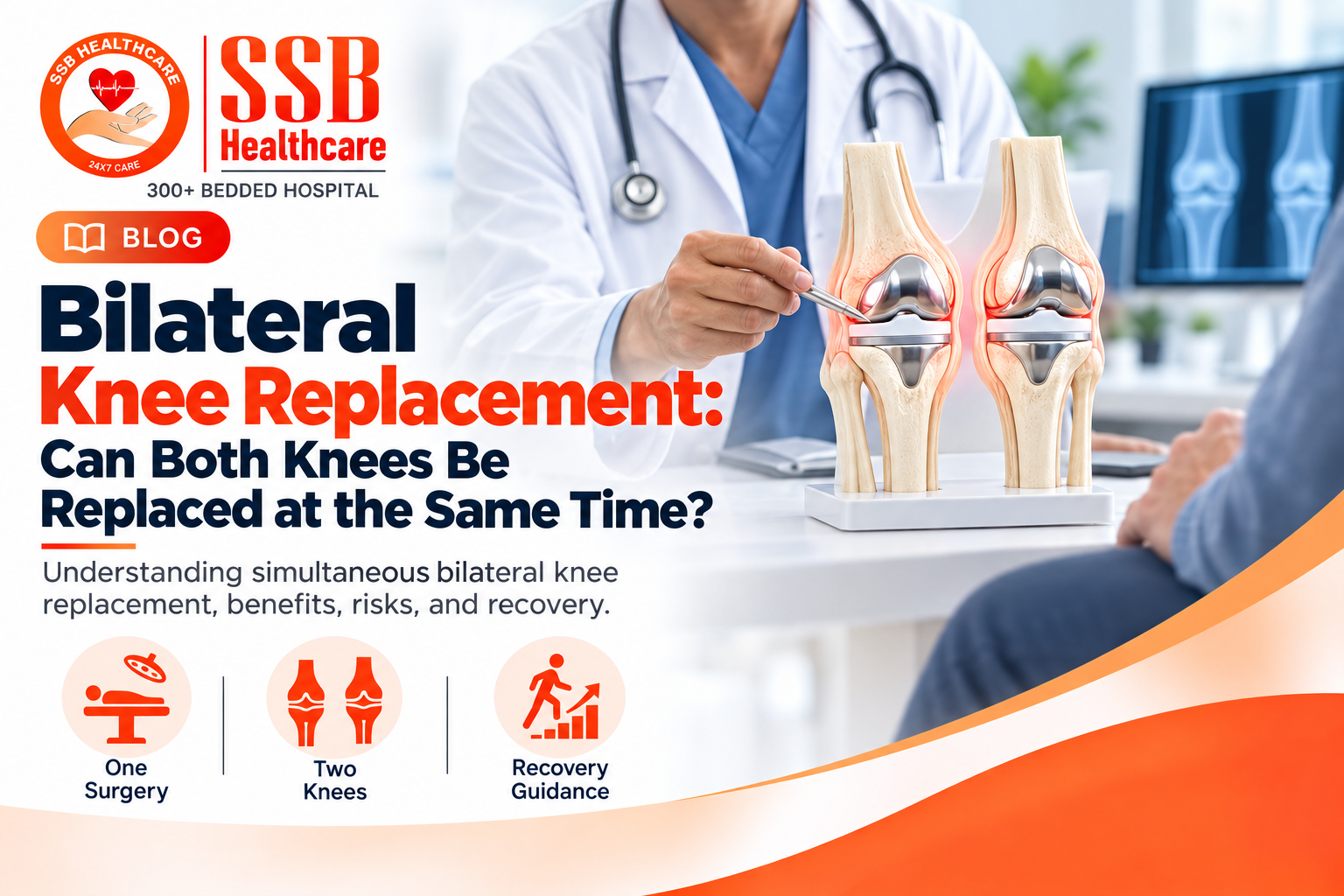
Knee replacement surgery, also known as total knee replacement or knee arthroplasty, is a procedure in which damaged portions of the knee joint are replaced with artificial implants designed to restore smooth movement and reduce pain.
The surgery is commonly recommended for patients with severe osteoarthritis, rheumatoid arthritis, injury-related joint damage, or chronic degeneration of the knee joint.
One of the biggest advantages of knee replacement surgery is long-term relief from chronic knee pain. Many patients experience a major reduction in pain that previously limited their ability to perform everyday activities.
Reducing pain can also improve sleep quality, comfort during movement, and overall well-being.
Severe knee problems often restrict movement and make daily activities challenging. Knee replacement surgery can help improve flexibility, joint movement, and walking ability.
Many patients find it easier to:
Chronic knee pain can negatively affect emotional health, independence, and social activities. By improving mobility and reducing discomfort, knee replacement surgery can help patients regain confidence and enjoy a more active lifestyle.
Many individuals are able to return to hobbies, travel, and daily routines with greater ease after recovery.
Advanced arthritis may lead to deformities such as bowing of the legs or joint misalignment. Knee replacement surgery can help correct these deformities and improve posture and balance.
Damaged knee joints may feel weak or unstable while walking. Replacing the damaged joint surfaces can improve stability and reduce the feeling of the knee “giving way.”
Persistent pain can disturb sleep and lead to physical exhaustion. By reducing pain and improving comfort, knee replacement surgery may help improve sleep quality and reduce fatigue caused by chronic discomfort.
Modern knee replacement implants are designed to be durable and long-lasting. With proper care, rehabilitation, and regular follow-ups, many knee replacements can function effectively for many years.
Advancements in surgical techniques and implant technology have also improved the safety and success rates of knee replacement procedures.
Today, many knee replacement procedures are performed using advanced surgical techniques and fast-track recovery protocols.
These approaches may help:
In many cases, patients are encouraged to begin walking with assistance shortly after surgery under medical supervision.
Knee replacement surgery may be recommended for individuals who experience:
A proper medical evaluation is necessary to determine whether knee replacement surgery is the right treatment option.
Recovery after knee replacement surgery usually includes physiotherapy, strengthening exercises, guided walking programs, and lifestyle modifications.
Following rehabilitation instructions carefully is important for restoring mobility and achieving the best possible outcome after surgery.
You should seek medical evaluation if knee pain:
Early consultation with an orthopaedic specialist can help determine the most appropriate treatment plan.
Getting the appropriate medical treatment and care is crucial to avoid any associated medical complications.
To book an appointment, contact us at +91-9540 114 114.
2026 © SSB Heart and Multispecialty Hospital.
 International
  Find a
  Lab
Lab  Health
  Careers