 July 7, 2026
People searching for the Best Hernia Surgery Hospital in Delhi usually want to know whether they can wait, whether surgery is needed, and which warning signs should not be ignored.
A hernia may start as a small bulge, but the decision depends on symptoms, examination, hernia type, and the patient's overall health.
This guide keeps the focus on practical questions for patients and families. It does not replace a surgeon's opinion, but it can help you prepare for the consultation.
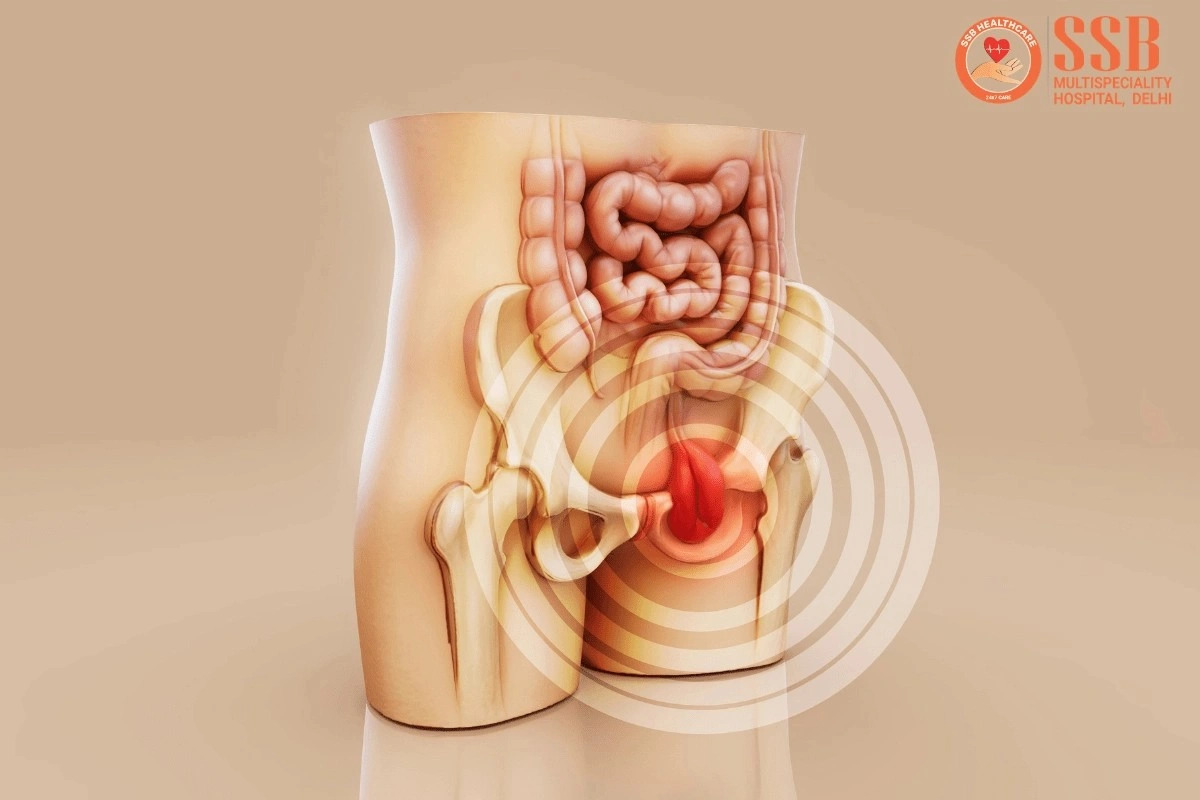
A hernia happens when tissue pushes through a weak area in the muscle or surrounding wall. Many patients notice a bulge in the groin or abdomen that becomes more visible while coughing, lifting, or standing.
Other symptoms may include:
Patients who want a broader understanding of the condition can also read about hernia causes, symptoms and treatment.
Mild symptoms can still be discussed calmly, but changes in pain, size, reducibility, vomiting, or skin color should be taken seriously.
Observation may be discussed when symptoms are mild, the hernia is reducible, and the surgeon feels the short-term risk is low. That does not mean ignoring it.
A watchful-waiting plan should include follow-up, activity advice, and clear instructions on when to seek urgent review.
For a more detailed explanation of when observation may no longer be appropriate, patients can read about hernia surgery in Delhi and when watchful waiting is no longer enough.
The final recommendation depends on examination and the treating team's review.
| Option | When it may fit | Main discussion point |
|---|---|---|
| Watchful waiting | Selected mild, reducible hernias with low short-term risk | Needs follow-up and clear danger-sign advice |
| Open repair | Large, recurrent, or selected complex hernias | Recovery and wound care depend on the exact case |
| Laparoscopic repair | Selected bilateral or recurrent hernias, or cases where early mobility matters | Suitability depends on hernia type, past surgery, and surgeon assessment |
Surgery is usually discussed when the bulge is growing, symptoms affect daily life, the hernia does not reduce comfortably, or there is concern about obstruction or strangulation.
Assessment through a General, Laparoscopic & Bariatric Surgery department in Delhi can help determine whether continued observation or surgical repair is appropriate for the individual case.
The consultation should cover:
Patients can also review information about hernia treatment and management before discussing treatment options with their surgeon.
Both techniques aim to repair the weak area, but the surgical approach can differ depending on the type and complexity of the hernia.
Open repair may be suitable for some large, recurrent, or complex hernias. The surgeon reaches the hernia through an incision near the affected area and repairs the weakness.
Laparoscopic repair uses small incisions and may be discussed for selected bilateral or recurrent hernias, or for patients who may benefit from faster movement after surgery.
Patients considering minimally invasive surgery may be evaluated through general and laparoscopic surgery services.
Mesh is commonly used to reinforce the weak area, but the exact plan depends on hernia type, recurrence risk, previous surgery, and the surgeon's judgment.
Neither technique should automatically be considered better for every patient. The appropriate approach depends on the individual clinical situation.
Before surgery, the team usually reviews:
This assessment also sets a recovery baseline. Patients should understand expected pain, swelling, activity limits, wound care, transport needs, and the help they may need at home for the first few days.
A structured surgical consultation also gives patients an opportunity to discuss whether their hernia is straightforward, recurrent, bilateral, or otherwise more complex.
Many patients are encouraged to walk early, increase activity gradually, and avoid heavy lifting until the surgeon clears it.
Recovery varies according to:
Discharge advice, pain guidance, emergency contact routes, and the first follow-up appointment often shape the recovery experience as much as the surgery itself.
Patients should follow the instructions provided by their treating surgeon rather than using a fixed recovery timeline from another patient's experience.
Seek urgent review for:
These symptoms can point to obstruction, reduced blood supply, infection, or another complication that should not wait for a routine appointment.
If these symptoms develop suddenly or worsen quickly, seek emergency and trauma care rather than waiting for a scheduled surgical consultation.
Before deciding on treatment, consider asking:
These questions can make the consultation more useful and help patients understand why a particular treatment plan is being recommended.
A painful bulge with vomiting, skin color change, inability to reduce the swelling, abdominal distension, or inability to pass stool or gas needs urgent evaluation because it may signal obstruction or reduced blood supply.
In such situations, patients should seek emergency medical assessment rather than waiting for a routine appointment.
A hernia does not repair the muscle weakness on its own. Some patients may be monitored for a time, but observation should be chosen after medical review.
You can read more about hernia treatment and management options to understand why treatment varies according to symptoms and hernia type.
Light activity often starts early, but heavy lifting and full routine recovery may take several weeks.
The exact timeline depends on the operation, work demands, pain levels, overall health, and whether the hernia was straightforward or complex.
Patients should follow the recovery timeline provided by their surgeon rather than comparing themselves with another patient's experience.
Not always. It can offer advantages in selected cases, but the best approach depends on hernia type, previous operations, recurrence, anatomy, and surgeon assessment.
A consultation with the General & Laparoscopic Surgery team in Delhi can help determine which approach is appropriate.
A hernia should be assessed when the bulge is persistent, becoming larger, painful, affecting everyday activity, or becoming more difficult to reduce.
Even when symptoms are mild, a surgical consultation can help establish whether observation is reasonable and which warning signs should prompt earlier treatment.
Patients seeking evaluation can explore the General, Laparoscopic & Bariatric Surgery department in Delhi or book an appointment with SSB Healthcare for further assessment.
2026 © SSB Heart and Multispecialty Hospital.
 International
  Find a
  Lab
Lab  Health
  Careers