 May 21, 2021
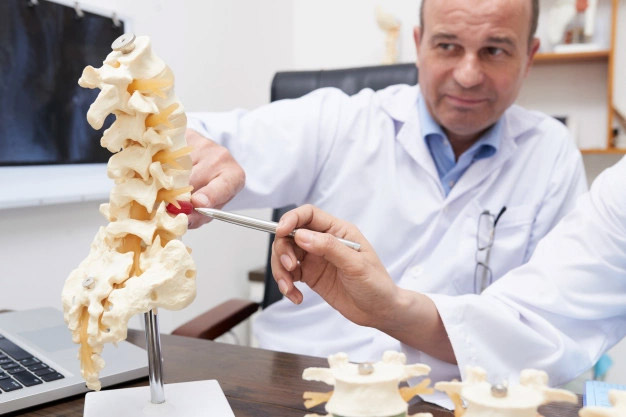
The spine plays a vital role in supporting the body, maintaining posture, and protecting the spinal cord. However, poor posture, aging, injuries, and lifestyle habits can lead to various spine problems that affect mobility and overall quality of life. Spine disorders can cause pain, stiffness, numbness, and difficulty performing daily activities.
Understanding common spine problems, their symptoms, and available treatment options can help in early diagnosis and effective management.
Several conditions can affect the spine and surrounding nerves and muscles.
A herniated or slipped disc occurs when the soft inner portion of a spinal disc pushes through its outer layer. This can put pressure on nearby nerves and cause severe pain.
Sciatica develops when the sciatic nerve becomes compressed or irritated. It commonly causes pain that radiates from the lower back to the legs.
Spinal stenosis is the narrowing of spaces within the spine, which can place pressure on the spinal cord and nerves.
Scoliosis is a condition where the spine curves abnormally to the side. It can affect posture and lead to back pain in some cases.
As people age, spinal discs may wear down, causing chronic back pain and reduced flexibility.
This condition occurs due to age-related wear and tear in the spine, commonly affecting the neck and lower back.
Symptoms vary depending on the type and severity of the spinal condition. Common symptoms include:
In severe cases, spine problems may affect bladder or bowel control and require immediate medical attention.
Many factors can contribute to spine disorders, including:
Long hours of sitting and incorrect posture while using computers or mobile devices can also increase the risk of spinal problems.
Doctors diagnose spine problems through physical examinations and imaging tests. Common diagnostic methods include:
These tests help identify nerve compression, disc damage, or structural abnormalities in the spine.
The treatment of spine disorders depends on the condition and severity of symptoms.
Maintaining proper posture, regular exercise, and weight management can help reduce spinal stress and improve spine health.
Physical therapy helps strengthen muscles, improve flexibility, and reduce pain through guided exercises.
Doctors may prescribe pain relievers, anti-inflammatory medicines, or muscle relaxants to manage symptoms.
Some patients may benefit from injections or minimally invasive spine treatments to reduce inflammation and pain.
In severe cases where conservative treatment does not work, surgery may be recommended to relieve nerve pressure or stabilize the spine.
Healthy lifestyle habits can help lower the risk of spinal disorders.
Prevention tips include:
Common spine problems can significantly affect daily life and mobility if left untreated. Conditions such as herniated discs, sciatica, spinal stenosis, and spondylosis often cause pain and discomfort that may worsen over time. Early diagnosis, proper treatment, and healthy lifestyle habits are essential for maintaining spine health and preventing complications.
If you experience persistent back pain, numbness, or mobility issues, consulting a medical professional can help ensure timely treatment and better recovery outcomes.
2026 © SSB Heart and Multispecialty Hospital.
 International
  Find a
  Lab
Lab  Health
  Careers