 August 26, 2021
Cervical and lumbar spondylosis are common degenerative conditions that affect the spine. These conditions usually develop gradually due to aging, wear and tear of the spinal structures, and degeneration of the discs and joints of the spine.
The spine plays a vital role in supporting body movement, posture, and flexibility. Over time, age-related changes and continuous stress on the spine may lead to degeneration of the spinal discs, joints, and bones, causing pain, stiffness, and reduced mobility.
Spondylosis can affect different regions of the spine, most commonly the cervical spine (neck region) and lumbar spine (lower back region).
Spondylosis is a degenerative condition in which the structures of the spine gradually deteriorate over time. It is commonly associated with aging and osteoarthritis but may also be influenced by lifestyle habits, posture, injuries, and repetitive strain on the spine.
The condition may affect spinal discs, joints, ligaments, and vertebrae, leading to discomfort and restricted movement.
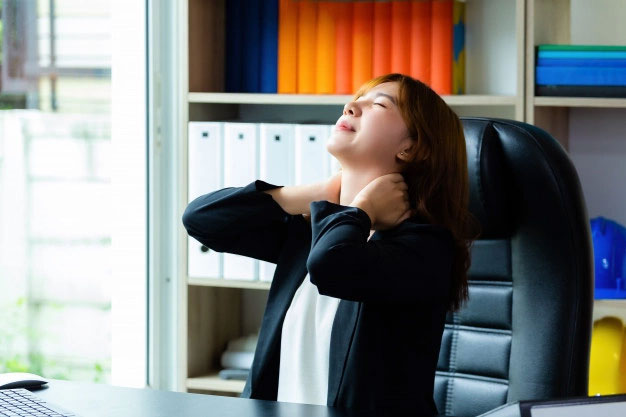
Cervical spondylosis affects the neck region of the spine and is commonly seen in individuals with prolonged desk work, poor posture, or age-related spinal degeneration.
Lumbar spondylosis affects the lower back and may cause pain, stiffness, and difficulty with movement or prolonged standing.
Although the terms are often used interchangeably, they are not exactly the same.
However, in common usage, many people use both terms to describe spine-related pain and degeneration.
Symptoms may vary depending on the severity and location of the spinal degeneration.
Common symptoms include:
If spinal nerves become compressed, symptoms such as numbness, weakness, or balance problems may also occur.
Several factors may increase the risk of developing cervical or lumbar spondylosis.
Natural aging causes gradual degeneration of spinal discs and joints over time.
Wear and tear associated with osteoarthritis can affect the spine and contribute to spondylosis.
Incorrect sitting posture and prolonged neck bending while working on computers or mobile devices may increase strain on the spine.
Lack of physical activity can weaken muscles supporting the spine.
Excess body weight places additional pressure on the spine and joints.
Smoking may accelerate spinal degeneration, while excessive alcohol intake may negatively affect bone health.
Long hours of bending, lifting heavy objects, or repetitive spinal movements may increase the risk of spinal problems.
Although age-related changes cannot be completely prevented, certain lifestyle habits may help reduce the risk of spinal degeneration and improve spinal health.
Correct posture while sitting, standing, and working can reduce unnecessary strain on the spine.
Do not keep your neck bent forward for long periods while using computers or mobile devices.
Regular physical activity helps strengthen muscles supporting the spine and improves flexibility.
Yoga and stretching exercises may help improve posture, flexibility, and spinal mobility.
Maintaining an ideal body weight reduces pressure on the spine and joints.
A balanced diet rich in essential nutrients supports healthy muscles and bones.
Calcium and vitamin D are important for maintaining strong bones and spinal health.
Smoking may increase spinal degeneration, while excessive alcohol intake can weaken bones.
Take breaks and rest your back after prolonged sitting or bending activities.
Tight hamstrings can increase stress on the lower back. Stretching exercises may help improve flexibility and reduce strain.
Avoid activities that place excessive stress on your spine and joints.
Good sleep and proper sleeping posture can help support spinal recovery and reduce muscle tension.
Seek medical attention if you experience:
Early diagnosis and treatment may help prevent worsening spinal problems and improve quality of life.
Treatment depends on the severity of the condition and symptoms experienced by the patient.
Management options may include:
At SSB Healthcare, experienced neuro-spine surgeons and healthcare specialists provide advanced diagnosis and treatment for various spine-related conditions using modern treatment approaches.
Getting the appropriate medical treatment and care is crucial to avoid any associated medical complications.
To book an appointment, contact us at +91-9540 114 114.
2026 © SSB Heart and Multispecialty Hospital.
 International
  Find a
  Lab
Lab  Health
  Careers